Synthetic voices used to sound robotic. Neural text-to-speech (TTS) now produces speech with natural rhythm, emotion and breathing, in dozens of languages, and voice cloning can imitate a specific person from a short recording. That opens real opportunities — accessible content, audiobooks, dubbing, voice interfaces — and real risks, from impersonation to fraud.
How modern TTS works
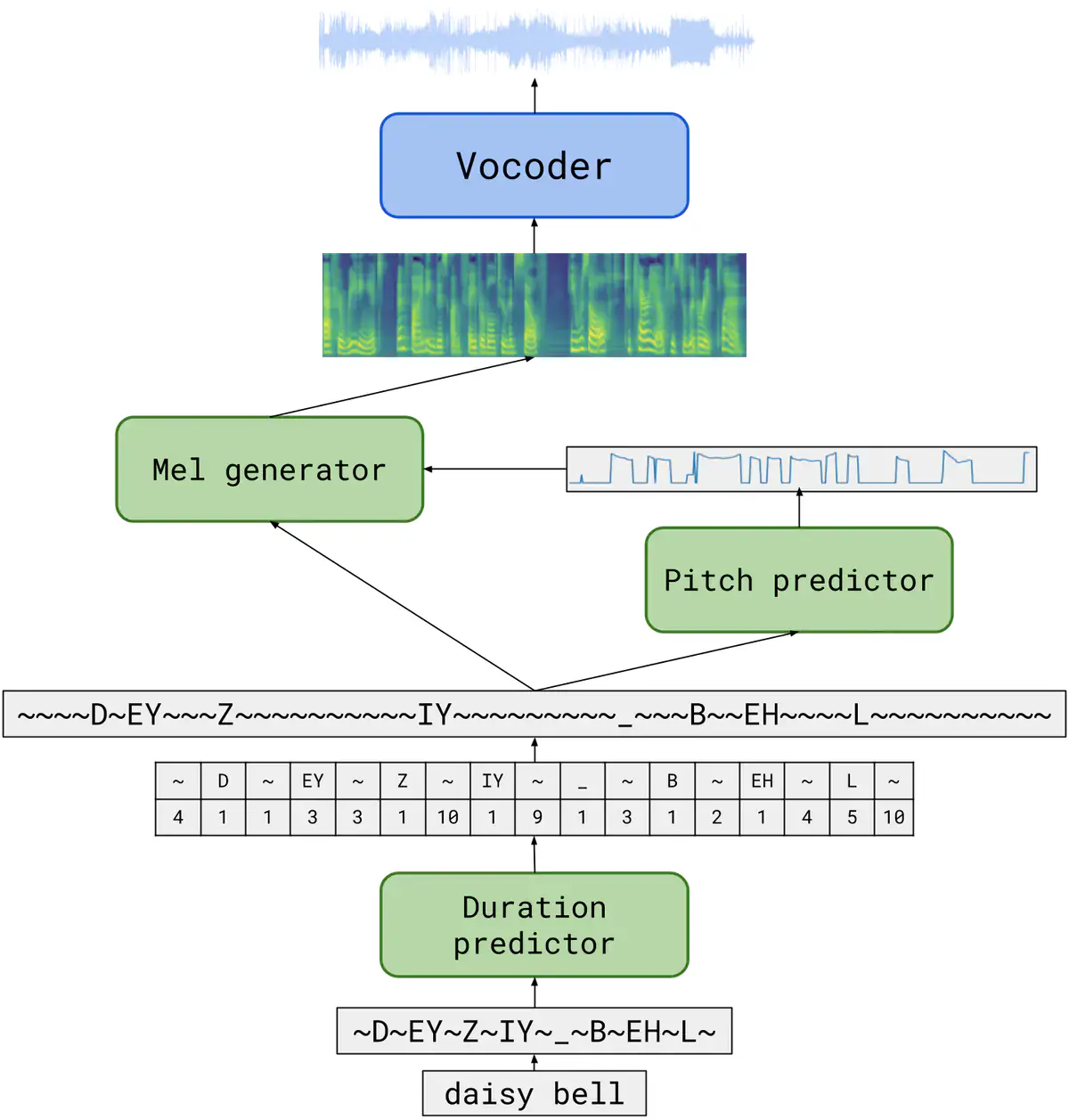
Neural TTS models learn from many hours of recorded speech paired with text. Given new text, they predict the acoustic features of speech — pitch, timing, timbre — and a vocoder turns those into audio. Recent systems are trained on huge multilingual datasets and can control style (“calm”, “excited”, “whispering”) or follow the prosody of a reference clip.
Voice cloning adapts a model to a target voice. Some tools need only seconds of audio for a rough match (“instant” cloning); others use longer, high-quality recordings for a professional clone.
What to compare between tools
Naturalness. Listen to long passages, not demos: unnatural pauses, mispronounced names and flat intonation show up over minutes.
Languages and accents. Check every language you need, including accent options and how names and numbers are read.
Control. Pronunciation dictionaries, emphasis, speed, pauses and SSML support matter for professional work.
Latency. Conversational agents and phone systems need speech to start within a fraction of a second; audiobooks do not.
Voice library and cloning rules. Look at stock voices, cloning requirements and the verification steps the provider uses to confirm consent.
Licensing. Confirm commercial use, broadcast and redistribution rights on your plan, and who owns a cloned voice.
Privacy. Find out how uploaded recordings and generated audio are stored and whether they are used for training.
Price. Usually per character or per minute generated; costs add up quickly for long-form audio.
Good uses
- Accessibility: audio versions of articles and documents for people who prefer or need listening.
- Localization: narration and dubbing in more languages.
- Voice interfaces: assistants, IVR and in-app guidance.
- Content production: e-learning, explainers and podcasts with consistent narration.
- Personal voice banking: people at risk of losing their speech can preserve a synthetic version of their own voice.
The consent rules
- Only clone voices you have permission to use — your own, licensed voices, or people who have explicitly agreed in writing, with clear terms on use and payment.
- Disclose synthetic voices where listeners could be misled, especially in ads, news and political content.
- Never imitate public figures or private individuals without consent; laws in several places protect voice and likeness.
- Protect your own voice data. Scammers use short clips from social media to clone voices for fake emergency calls, as the US Federal Trade Commission has warned. Agree on a family code word and verify urgent requests through a known number — see our guide to AI scam calls.
A quick evaluation
Generate the same 500-word script in three tools with two voices each, play them to people who did not hear the originals, and ask which sound most natural and clear. Then test your hardest content: names, numbers, acronyms and your second language.
A production checklist
- Pronunciation dictionary set up for brand names and recurring terms.
- Voice and licence documented, including consent records for any cloned voice.
- Disclosure text decided for contexts where listeners could be misled.
- Audio reviewed by a person before publishing long-form content.
- Fallback voice chosen in case the primary one is retired by the provider.
What to watch next
- Real-time speech-to-speech models for natural voice conversations.
- Laws protecting voice and likeness against unauthorized cloning.
- Watermarking and detection of synthetic speech.
- Union agreements on synthetic voices in dubbing and games.
Key takeaways
- Neural TTS now produces natural speech in many languages and styles.
- Voice cloning can imitate a person from short recordings, so consent is essential.
- Compare naturalness, languages, control, latency, licensing and privacy.
- Disclose synthetic voices where listeners could be misled.
- Protect yourself against voice-clone scams with verification habits.
Frequently asked questions
Is it legal to clone someone’s voice?
Only with their permission. Using a voice without consent can breach publicity rights, consumer protection and platform rules.
How much audio does voice cloning need?
Some tools make a rough clone from seconds of audio; high-quality professional clones use longer, clean recordings.
Can listeners tell AI voices apart?
Often not in short clips. That is why disclosure and verification habits matter.