Anthropic’s confidential draft prospectus for a stock market listing shows a company that is growing very quickly while committing to compute spending on a scale few firms have attempted, according to a Reuters report relayed this week. The document is not public, Anthropic declined to comment to Reuters, and every figure below comes from press accounts of the draft rather than from a filing we have seen ourselves.
What the draft reportedly shows
Anthropic filed confidentially with the US Securities and Exchange Commission in June 2026, as the draft is described in coverage. For calendar 2025, the reported numbers are:
- Revenue: up roughly twelve-fold to nearly $4.6 billion.
- Net loss: about $42 billion.
- Operating loss: $8.06 billion, up from $2.98 billion in 2024.
- Operating expenses: $12.65 billion, of which $7.33 billion went to compute and infrastructure, about three times the 2024 level.
- Cash: $20.28 billion in cash, equivalents and short-term investments at year end.
The gap between the $42 billion net loss and the $8 billion operating loss is explained by an accounting charge. About $34 billion of the loss is described as a non-cash item tied to a higher estimated value of financing arrangements that could later convert into Anthropic shares. In other words, most of the headline loss reflects how the company’s own valuation is treated on paper, not cash that left the building.
The compute bill
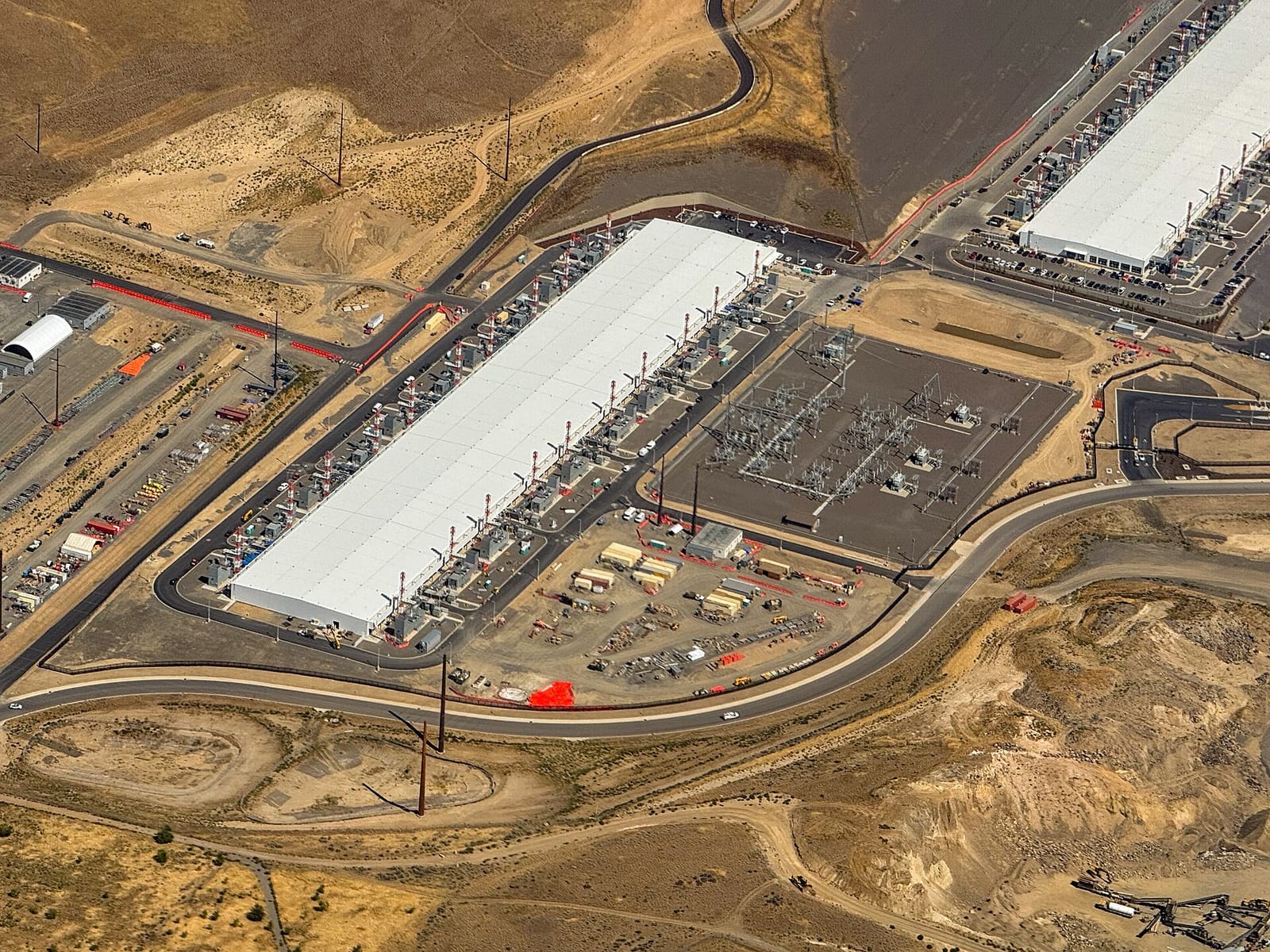
The most striking part of the report is the size of the infrastructure commitments. Anthropic is said to expect spending of at least $518 billion over roughly a decade with six infrastructure partners, and about 80% of that sum is described as non-cancelable or payable regardless of actual usage. The reported breakdown:
- Google: about $111.1 billion over seven to ten years, with a reported obligation to pay any shortfall if actual spending falls below the commitment.
- Amazon: about $110 billion.
- Microsoft: about $31.4 billion over seven to ten years.
- Broadcom-linked equipment leases: about $161.2 billion.
- xAI: up to $84.5 billion of Nvidia-based capacity through 2029, most of which can reportedly be cancelled on 90 days’ notice.
- AMD: a deal in which AMD would buy up to $5 billion of Anthropic stock and supply capacity expected to exceed $20 billion.
The filing reportedly states plainly that demand for AI is limited mainly by how much compute is available. That framing helps explain why the commitments are so large and so long: a lab that believes capacity is the constraint will lock it in years ahead, accepting the risk that revenue does not arrive on the same schedule.
Valuation, governance and timing
According to the coverage, Anthropic is targeting a valuation above $2 trillion, more than double the $965 billion figure reported for May. Reuters, citing sources, says the listing would most likely come after the US midterm elections in November. A new “Founder LLC” would reportedly give the company’s seven co-founders 50.1% of voting power, a structure that would keep control with the founders after a public offering.
Anthropic also announced on October 18 that it is committing some of its shares to a new public benefit fund, which we covered in our earlier report on the fund. Together the two items suggest a company preparing both its balance sheet and its governance story for public investors.
Risks the filing reportedly stresses
About 80 of the draft’s 261 pages are said to be risk factors. Among them:
- Nearly a quarter of 2025 revenue came from two customers, which Reuters did not name.
- Many large customers have no long-term contracts and could cut or stop spending.
- The company warns that advanced AI could pose “catastrophic or existential risks to humanity.”
For context on 2026, CNBC reported in August that second-quarter revenue was $11.5 billion, and Anthropic reportedly expects a second consecutive quarter of adjusted operating profit. Morningstar’s analysis cautions that growth of this kind does not by itself justify a $2 trillion valuation, and notes that the figures depend on unverified reports of a document the public cannot read.
What to watch next
- Whether Anthropic files a public S-1, which would let investors and journalists check every number above.
- The timing of any listing relative to the November US midterm elections.
- How much of the commitments Anthropic actually draws down, and whether partners such as Google keep shortfall clauses.
- Whether OpenAI, which has also been linked to listing plans, follows with its own filing.
- Any regulatory reaction to the proposed founder voting structure.
Key takeaways
- The reported 2025 net loss of about $42 billion is mostly a non-cash accounting charge; the operating loss was about $8 billion.
- Revenue grew about twelve-fold in 2025 to nearly $4.6 billion, and quarterly revenue has since grown much further.
- At least $518 billion of multi-year compute commitments, about 80% of them binding, is the central risk and the central bet.
- All figures come from press reports on a non-public draft, so treat them as unverified until a public filing appears.
- Customer concentration and short customer contracts are acknowledged risks.
Frequently asked questions
Has Anthropic announced an IPO?
No. The company filed a confidential draft with the SEC in June, according to reports. A confidential filing is not a public offering, and Anthropic has not commented on the report.
Did Anthropic really lose $42 billion?
On paper, yes, but about $34 billion of that was an accounting charge linked to the estimated value of financing that could convert into shares. The reported operating loss was about $8 billion.
Why would a company commit to $518 billion of compute?
The draft reportedly says that demand is limited mainly by compute availability. Long-term contracts secure capacity and often better pricing, but they are costly if growth slows.