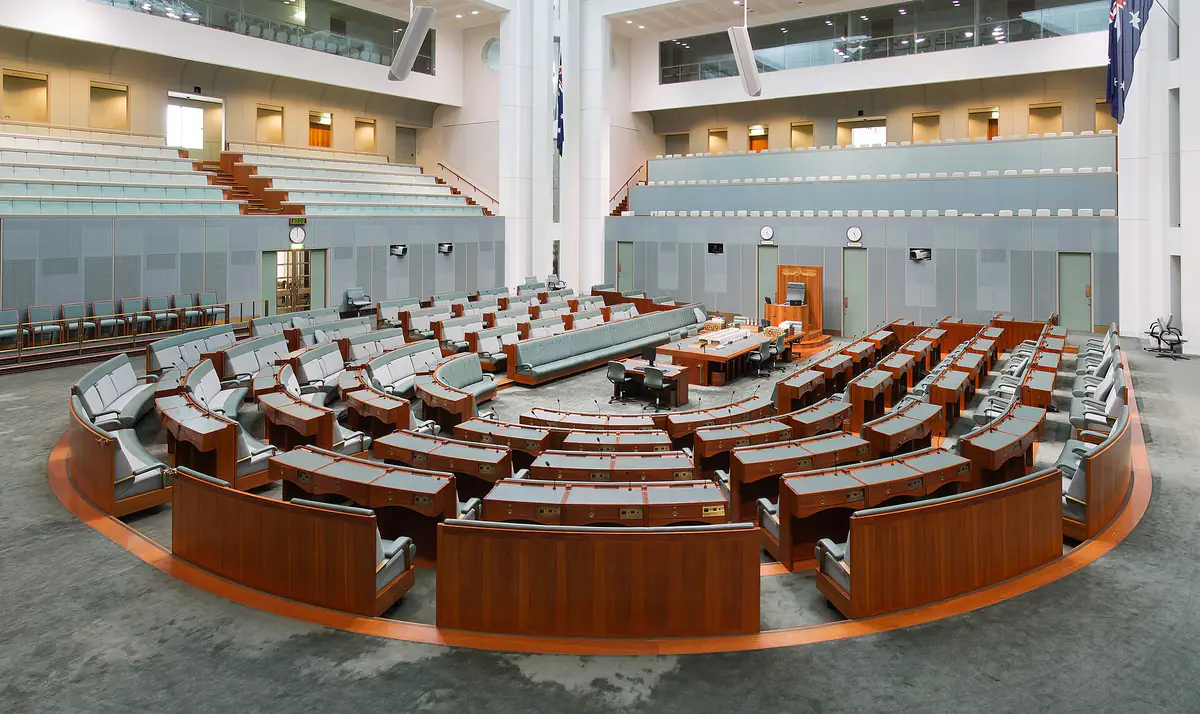
Australia’s House of Representatives passed the government’s digital duty of care bill on Wednesday, October 28, 2026, after accepting an amendment that would require platforms to ban AI chatbot “material or conduct that simulates emotional intimacy and encourages or fosters a child’s dependence on it in place of human relationships.” The bill now goes to the Senate, where its path is uncertain, according to The Guardian’s reporting.
What the bill does
The planned framework would apply new online safety standards to social media, games, apps and chatbots. Labor says it would place an overarching obligation on technology platforms to provide a safe online environment for all Australians, and would replace a range of existing online codes and standards with a broader duty-of-care requirement to protect users from certain harmful content. It would also oblige social media platforms to offer an opt-out from algorithmic and suggested content.
Communications minister Anika Wells has said content promoting misogyny, terrorism, suicide, self-harm and eating disorders would be captured. The chatbot provision is the AI-specific addition: independent MP Kate Chaney proposed the wording and the government accepted it on Wednesday, adding certain chatbot activity to the list of harms platforms must address. A second Chaney amendment, also accepted, requires the algorithm opt-out to be “accessible, easy to use” and “prominently available,” responding to fears that platforms might bury the setting.
Why chatbots were added
The push followed a speech by prime minister Anthony Albanese, who said stories of people treating a chatbot as their “best friend” should be “a huge wake up call” for every member of parliament. Companion-style chatbots are designed to be warm, available at all hours and agreeable, which is the combination regulators worry can displace human relationships for young users. The amendment targets the behavior rather than a product category: it speaks of simulating emotional intimacy and fostering dependence, not of a named type of app.
Politics and the road ahead
The opposition Coalition voted against the bill in the House, alongside One Nation, and has said it will not support it in the Senate. Opponents have called the system “Orwellian” censorship; Wells rejected that, saying critics should “bring an amendment, not a slogan.” The Greens back the bill, and the government hopes to pass it by the end of 2026. The Greens have set up a Senate inquiry that is due to report in late November.
Pressure is also building to create an external complaints route. Independent MP Sophie Scamps proposed expanding the remit of the telecommunications industry ombudsman so it could act as a watchdog for social media and AI, including “naming and shaming” companies. Labor did not accept that amendment in the House, and Wells declined to endorse the idea. The Greens will push for it in the Senate and also want a right to private legal action and higher penalties. The ombudsman, Cynthia Gebert, said her office is well placed for the role and that, as with other industries, it could be funded by the companies it oversees.
Why it matters
If the bill becomes law, Australia would write a ban on emotionally intimate chatbot design for children into a general online safety duty, a more specific step than most national AI rules. Most existing AI rules, such as the European approach described in our EU AI Act explainer, regulate AI by risk category rather than by relational design. Our global map of AI regulation shows how varied national approaches remain. Unresolved details include how regulators would judge “simulates emotional intimacy” and what penalties would apply, neither of which is specified in the reporting we reviewed.
What to watch next
- The Senate vote and whether the Coalition softens its position.
- The Senate inquiry report due in late November.
- Whether an ombudsman-style complaints scheme is added.
- How the eSafety regulator and companies interpret the chatbot provision.
- Reactions from chatbot makers that offer companion features.
Key takeaways
- The House passed Australia’s digital duty of care bill on October 28, 2026.
- An accepted amendment would bar chatbot conduct that simulates emotional intimacy and fosters a child’s dependence.
- The bill covers social media, games, apps and chatbots and requires an algorithm opt-out.
- The Coalition and One Nation opposed it; the Greens support it.
- The Senate must still pass it, and the government is aiming for the end of 2026.
Frequently asked questions
What would Australia’s chatbot rule ban?
Platforms would have to prevent material or conduct that simulates emotional intimacy and encourages or fosters a child’s dependence on it in place of human relationships.
Is the digital duty of care bill law yet?
No. It has passed the House of Representatives but still needs Senate approval, and the Senate path is unclear.
Does the bill only cover chatbots?
No. It applies new safety standards to social media, games, apps and chatbots, and it requires an opt-out from algorithmic recommendations.