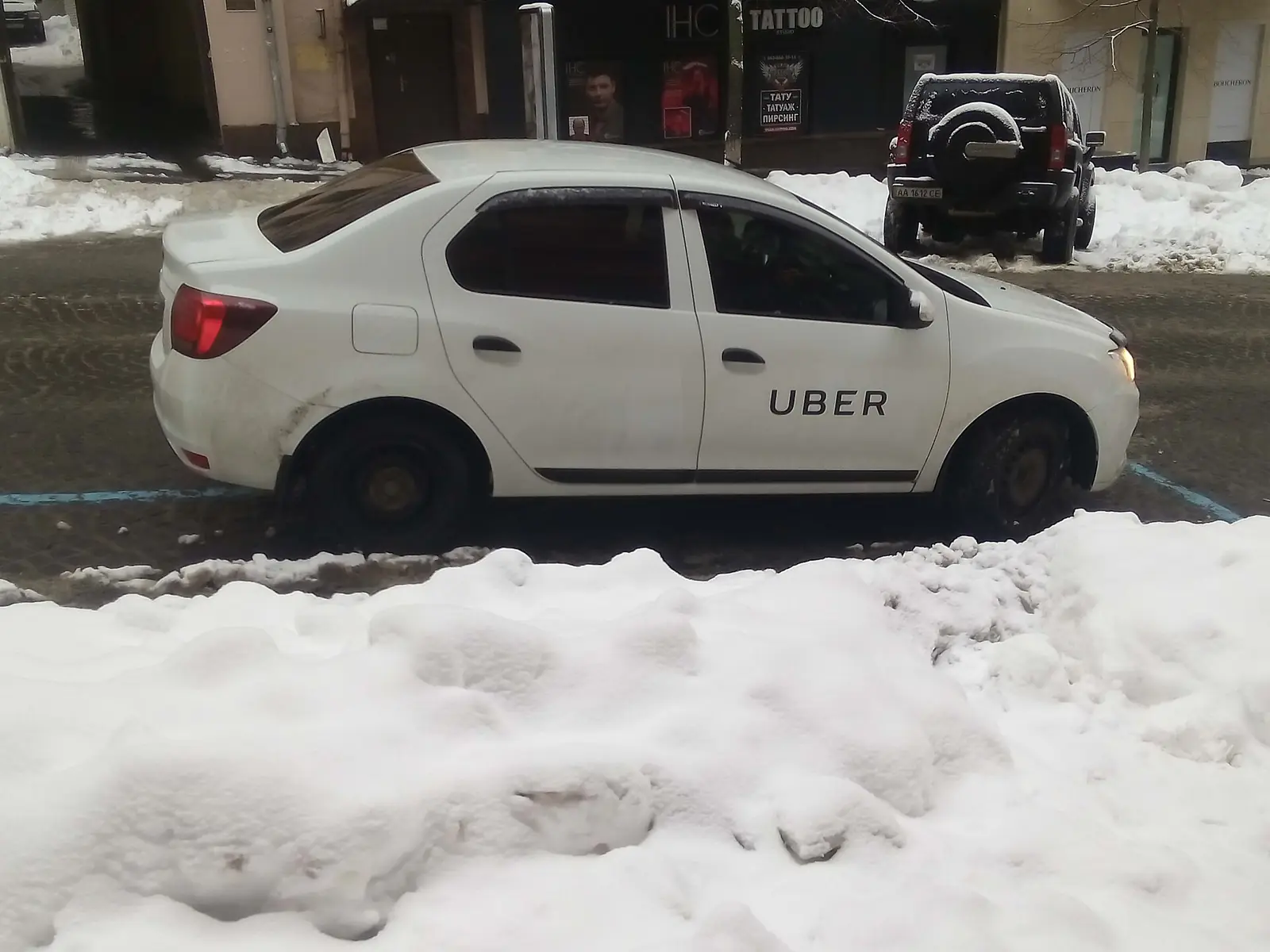
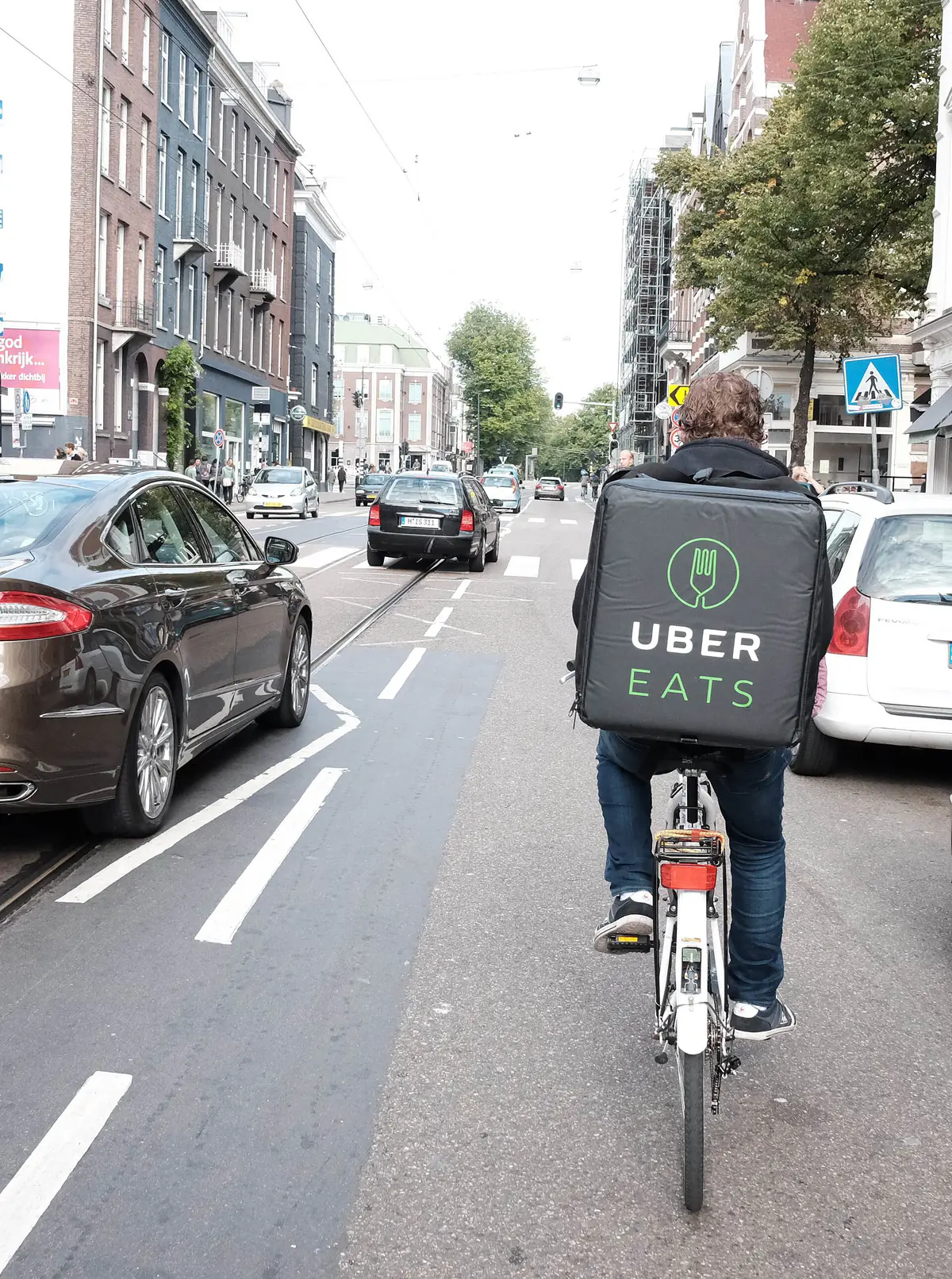
On its third-quarter earnings call on November 4, 2026, Uber said that only four rides were ordered through an AI agent during its busiest week of October, the week of Halloween. In the same week Uber and Uber Eats handled about 320 million trips and orders, and just 500 Uber Eats orders came from agents, TechCrunch reported. The figures are an early, company-reported data point on how little consumers currently use AI agents to buy things for them.
What Uber said
Chief financial officer Balaji Krishnamurthy gave the numbers to analysts. CEO Dara Khosrowshahi called the traction “very, very early and very limited” and added: “Listen, we hope that there will be more traction.” He still described agents as another way to reach Uber’s platform and expected them to be a net positive for demand across the ecosystem.
Khosrowshahi also pointed to why agents may not be an obvious win. The average time to book a ride in Uber’s own app is only 50 seconds, and re-ordering a favorite food takes 90 seconds. If the app is already that quick, an agent has to offer something other than speed to be worth using.
He said there are around eight major AI assistants on the market today, expects more than 10 in time, and that “every single AI system company is talking to us.”
The wider picture
Uber is not alone. TechCrunch notes that DoorDash said last week it had received only a few hundred orders from AI agents so far, with most customers still ordering in its app. This arrives while agent products multiply: TechCrunch cites the startup Instinct, last valued at $10 billion, and says Meta’s Muse became the No. 1 app in Apple’s U.S. App Store last month, passing 10 million users by Meta’s own count. OpenAI, Anthropic, Google and SpaceXAI’s Grok also offer agents.
How to read the numbers
A few cautions keep the data in proportion:
- Share of volume: Four rides and 500 food orders against roughly 320 million trips and orders is a tiny share, but it is one week and one company’s definition of “ordered through an agent.”
- Not a measure of agent use overall: People use agents for research, writing and coding far more than for purchases. These numbers speak only to transactions on Uber’s platforms.
- Early-stage plumbing: Companies have to open their services to outside agents and decide how to authenticate them. We looked at the other side of that in our report on websites that block AI agents.
For a practical framework on whether an agent beats a simple app flow, see our guide on how to evaluate AI agents for workflow automation, and our explainer on what AI agents are.
A related signal: cost discipline
A separate TechCrunch report on November 4 says, citing Bloomberg, that Apple lowered the daily AI spending cap for its engineering teams from $300 to $200 in October, with some allowances heading to $100 and a possible limit as low as $25 a day outside engineering. TechCrunch ties it to a cooling of “tokenmaxxing,” when companies urged staff to use AI as much as possible before bills arrived. This is a report based on sources, and Apple has not confirmed it to our knowledge. Together with Uber’s numbers, it fits a pattern of buyers asking harder questions about what agents deliver for what they cost, a theme in our quick take on cheap tokens and expensive agents.
What it means
For consumers, nothing changes today: the app is still the fast path. For platforms, the numbers suggest agent traffic is a bet on future distribution rather than a current revenue line. For agent builders, the lesson is that a task already solved in under a minute is a hard place to prove value; products that handle multi-step jobs people dislike may fare better.
What to watch next
- Whether Uber, DoorDash and others report agent order counts again next quarter and whether they grow.
- Whether platforms sign formal partnerships with AI assistant makers for bookings and orders.
- Whether more large companies follow Apple in capping internal AI spend, if the report is confirmed.
- New data from other marketplaces on how many orders come through agents.
Key takeaways
- Uber said four rides and 500 Uber Eats orders came from AI agents in Halloween week, versus about 320 million trips and orders overall.
- Uber’s CEO called traction very early and limited but still sees agents as a net positive for demand.
- DoorDash reported only a few hundred agent orders so far.
- Bloomberg-sourced reports say Apple is cutting daily AI spending limits for its teams.
Frequently asked questions
How many Uber rides were booked by AI agents?
Uber said four rides were ordered through an AI agent in its busiest week of October, the week of Halloween.
Why are so few people using AI agents to order?
Uber’s CEO noted that booking a ride in its app takes about 50 seconds and reordering food about 90 seconds, so an agent does not obviously save time.
Does this mean AI agents are failing?
Not necessarily. The data covers one company’s purchase flows in one week; it shows early adoption for ordering, not agent use overall.