The UK government developed its flagship AI datacentre policy without meeting a single environmental group, according to an investigation by the nonprofit Spotlight on Corruption reported by The Guardian on October 27, 2026. Senior officials met 137 businesses about “AI growth zones” but only two community groups, and the group says 38 ministers, senior civil servants and special advisers moved into jobs at AI companies between July 2024 and September 2026.
What the investigation found
Spotlight on Corruption filed 40 freedom of information requests to 18 government bodies over 12 months, covering meetings and investment figures between July 2024 and June 2026. It found that ministers, permanent secretaries and directors general involved in the policy met 137 businesses, some of them several times. Senior officials met two community groups and no environmental organizations. The few civil society meetings that did happen were held a few days before the policy launched, the report says, so they had no meaningful influence.
The investigation also counted a “considerable revolving door.” Of the 38 officials who left government for AI companies, nine came from the Department for Science, Innovation and Technology, including a former minister for AI and intellectual property, a former AI adviser to the prime minister, a former director of AI opportunities, a deputy director of AI international policy and a head of AI engineering. The Guardian says officials left for roles at companies including OpenAI and Anthropic.
The policy at issue
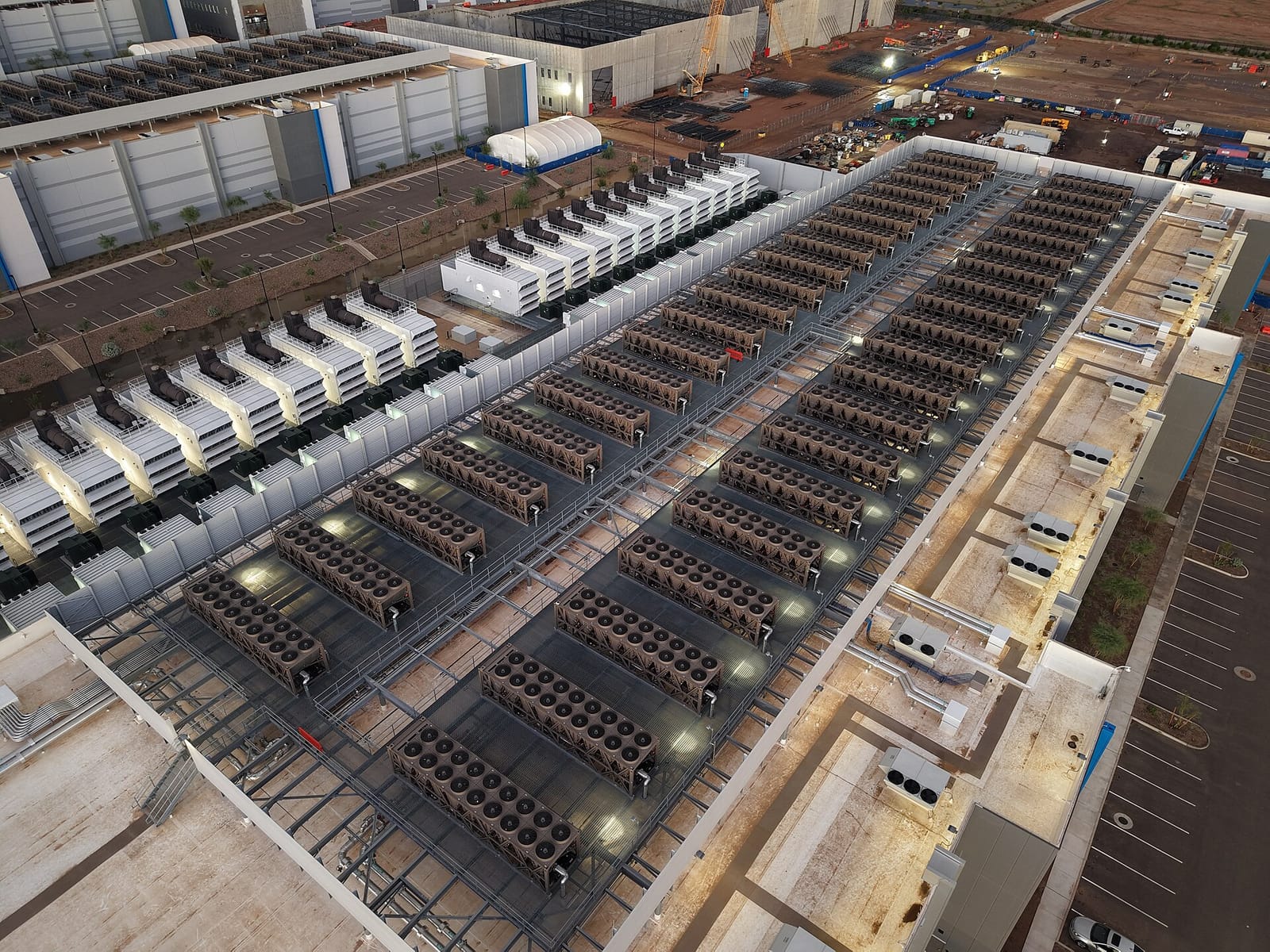
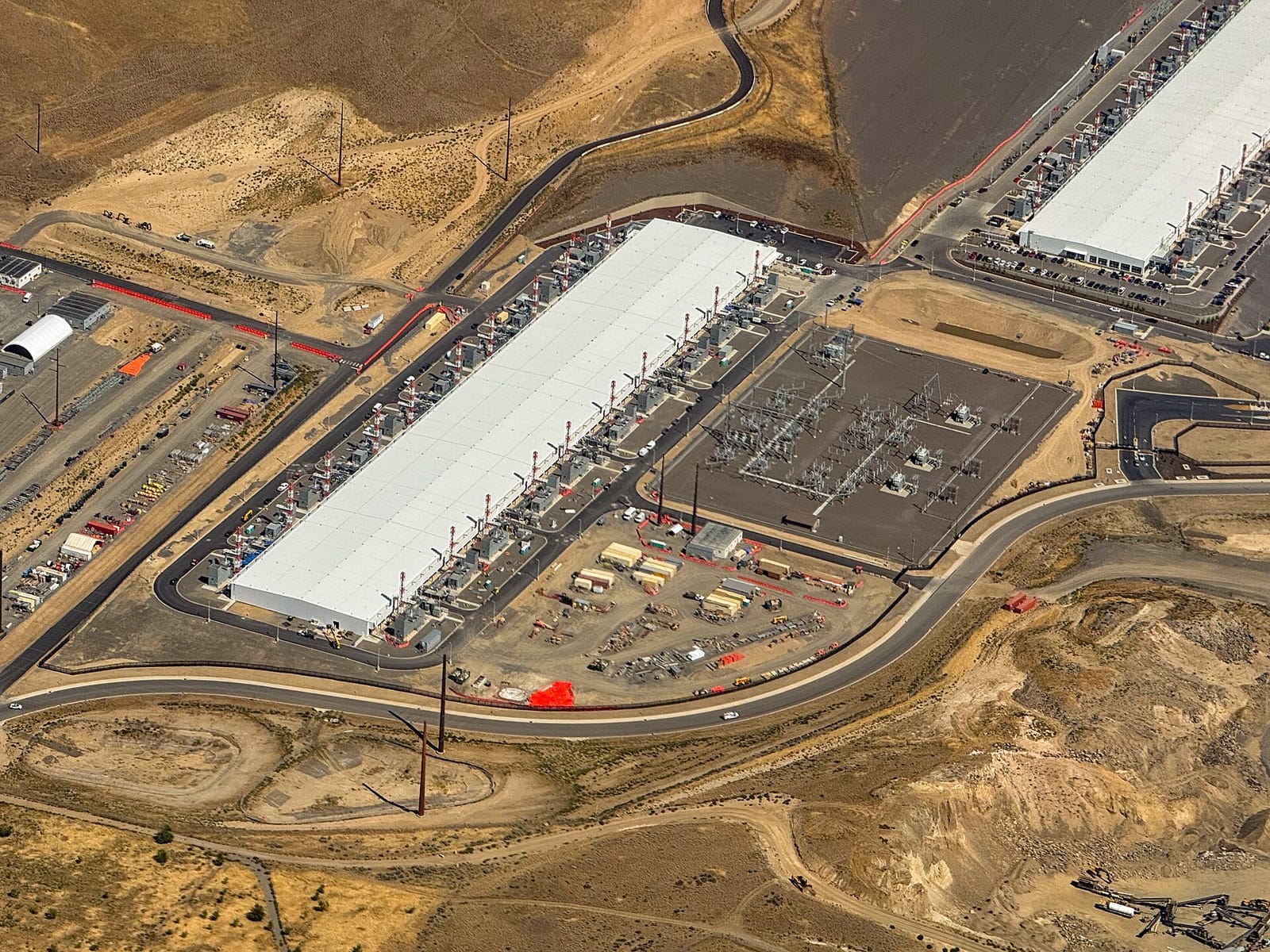
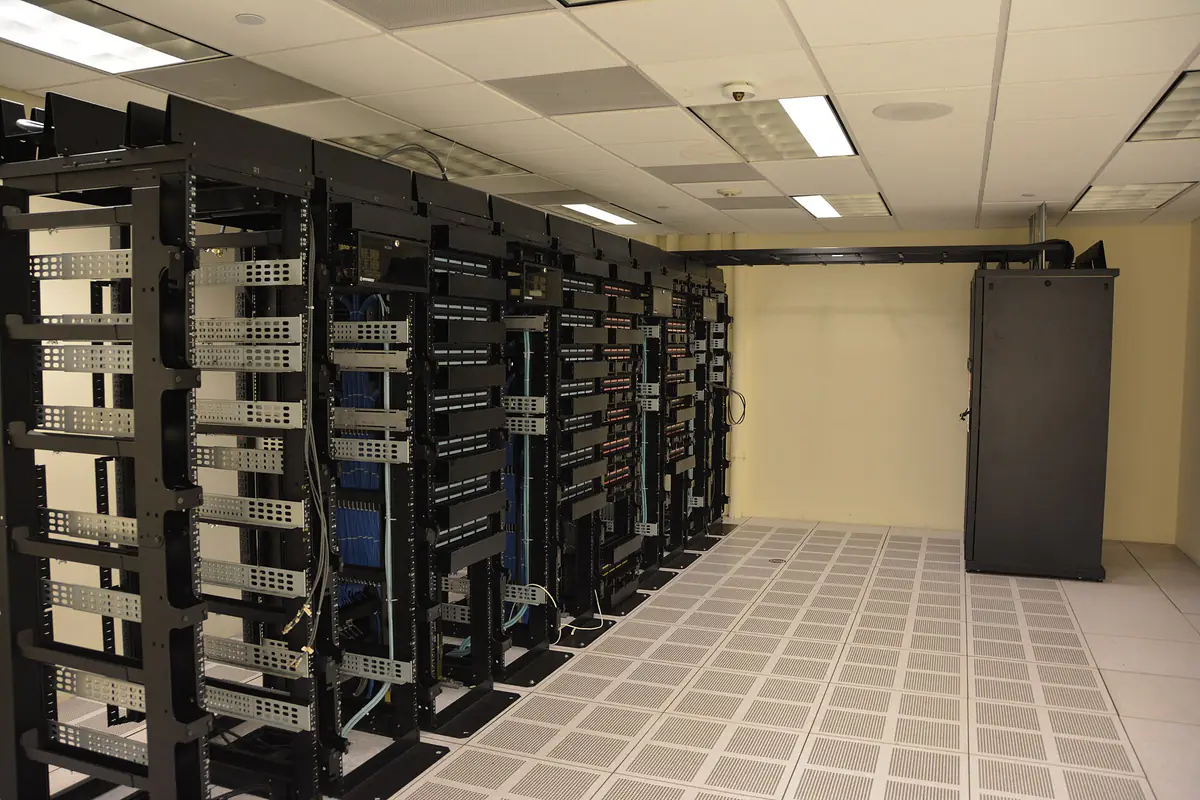
AI growth zones were a central plank of former prime minister Keir Starmer’s AI and economic strategy: a plan to build large datacentres across five regions, some bigger than any in the UK today, often with US technology partners. The government has promised jobs and economic growth from them. The Guardian notes its own earlier reporting questioned the policy’s assumptions, unaudited financial figures and job projections, and found little realism behind plans to power the sites with purpose-built renewables. Different departments, it reports, also appear to disagree on how much electricity the plans will need and therefore what the environmental cost will be.
The report adds that many further business meetings would not have been disclosed, because the policy was led by special adviser Jade Leung, whose role faced looser transparency rules.
Comparison with other countries
Spotlight on Corruption also reviewed how Canada, Germany and Australia developed datacentre policy. It found they consulted more widely and set tougher environmental criteria, and concluded that the UK has “fallen behind equivalent jurisdictions” in building an equitable strategy.
Growing local opposition
The story lands as opposition grows. Campaign groups have protested planned datacentres from Auchtertool, a village north of Edinburgh, to Brick Lane in east London, where approval has been given for a £500 million redevelopment of the Truman Brewery site that includes a datacentre. Fourteen local campaigns rallied at Holyrood in September against sites planned in Scotland. Labour MP Chi Onwurah, who represents Newcastle upon Tyne Central and West, said the backlash, and the larger opposition in the US, should warn the government to involve communities, adding that AI should be “shaped by” the communities it affects.
A government spokesperson was quoted saying datacentres should create British jobs; the quote in our source is cut off at that point, so we cannot report the full response.
Why it matters
Datacentre policy sits at the intersection of energy, planning and climate commitments. If consultation was one-sided, local planning disputes and legal challenges may become more likely, and the electricity demand figures behind the plans may be less reliable than they appear. Our explainers on how much energy AI uses and AI data center capex give the wider context. The findings are the nonprofit’s claims as reported by The Guardian; the underlying FOI responses are not reproduced in our source.
What to watch next
- Whether the government publishes a fuller list of meetings or reopens consultation on growth zones.
- Planning decisions on contested sites such as Brick Lane and the Scottish proposals.
- Departmental estimates of electricity demand for the five regions.
- Any parliamentary questions on the revolving door between government and AI firms.
- Changes to transparency rules for special advisers.
Key takeaways
- Spotlight on Corruption says officials met 137 businesses, two community groups and no environmental groups.
- 38 senior officials moved into AI industry jobs between July 2024 and September 2026, per the group.
- The investigation compares the UK unfavorably with Canada, Germany and Australia.
- Local campaigns against datacentres are spreading across the UK.
- The findings come from freedom of information requests and have not been independently reviewed by us.
Frequently asked questions
What are AI growth zones?
They are areas the UK government planned for large AI datacentres across five regions, intended to boost the economy and create jobs.
Who ran the investigation?
The nonprofit Spotlight on Corruption, which filed 40 freedom of information requests to 18 government bodies and reported its findings through The Guardian.
Did the government respond?
A government spokesperson said datacentres should create British jobs. The statement is truncated in the report we reviewed, so the rest of the response is not available to us.