Smart glasses are one of the few consumer gadgets where AI is the main selling point rather than a feature. They put a camera, microphones and sometimes a display on your face, and use AI to describe what you see, translate speech or answer questions hands-free. This explainer covers the main types, the technology inside, what Snap says its Specs do, and what to consider before buying anything you wear on your face.
Three kinds of smart glasses
- Camera-and-audio glasses. Frames with a camera, microphones and speakers but no display. You ask a question aloud and the assistant answers in your ear. They look like normal glasses and are comparatively light.
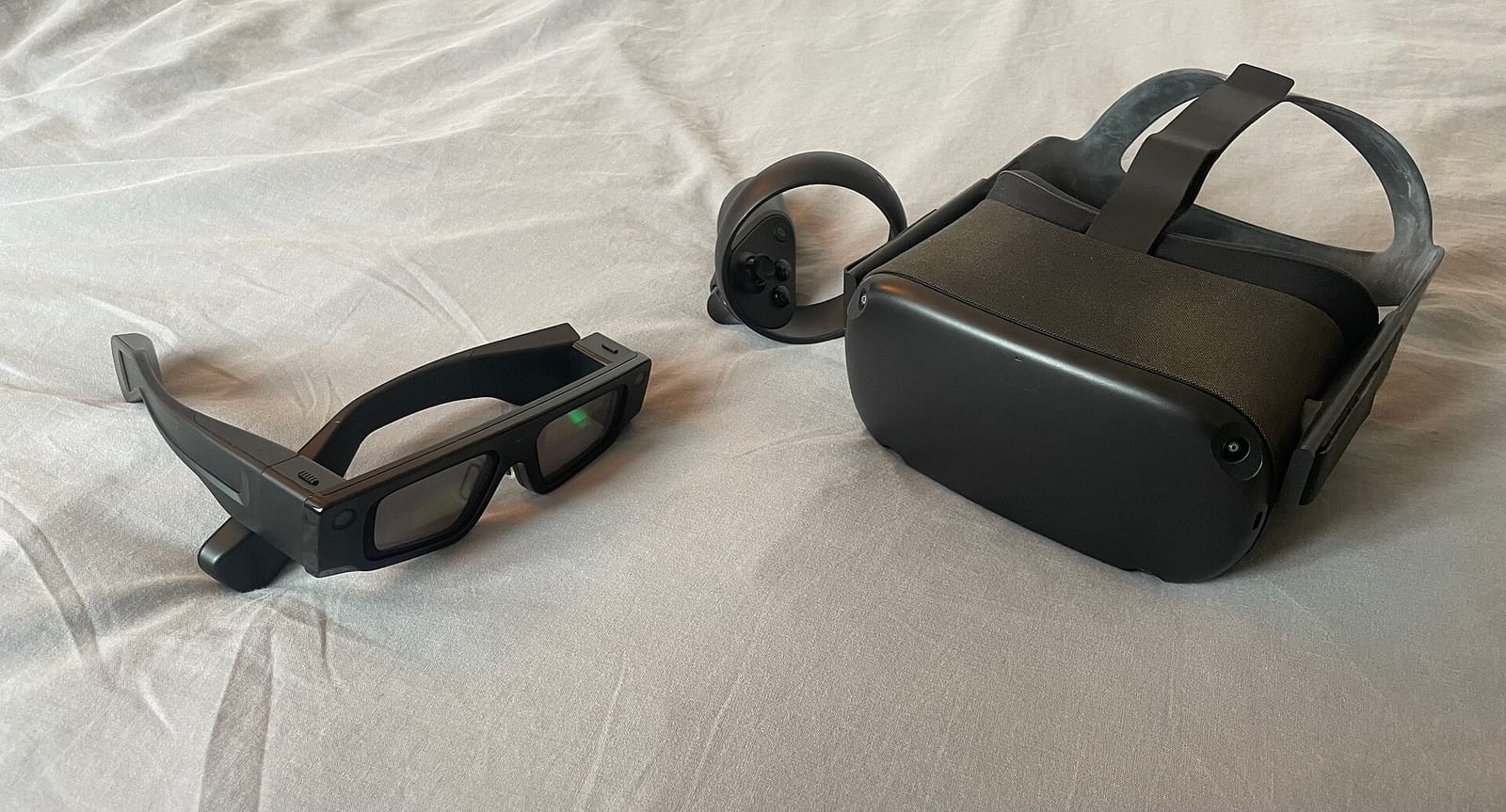
- Display glasses. A small screen projects text or simple graphics into one eye for notifications, captions or navigation.
- Augmented reality (AR) glasses. See-through lenses that overlay 3D graphics anchored to the real world. These require the most hardware: depth sensing, head tracking, bright displays and more power.
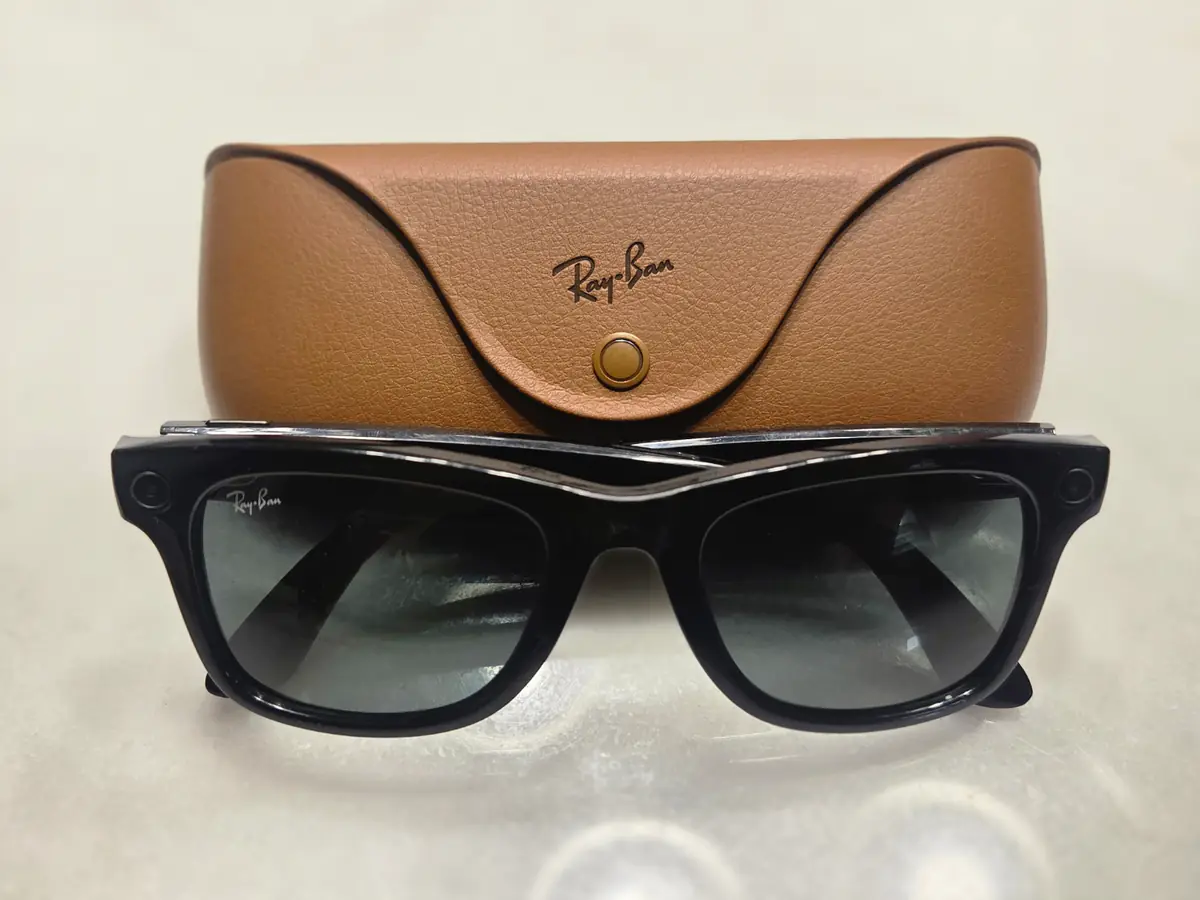
Each step up adds capability and also weight, heat, cost and battery drain.
What is inside
- Cameras and sensors capture the scene, and AR models add depth and motion sensors to understand surroundings.
- Microphones and speakers enable voice interaction and audio output near the ear.
- Waveguide or similar optics guide light from a tiny projector to your eye while letting you see through the lens.
- A processor that runs vision and speech models. Heavy tasks may go to a phone or the cloud.
- A battery, the hardest constraint. Our explainer on on-device AI shows why running models locally saves latency and privacy but costs power.
What Snap says about Specs
According to coverage of the product, Snap unveiled Specs at the AWE conference on June 16, 2026. CEO Evan Spiegel described them as a new kind of computer built into see-through AR glasses. Reported details:
- Price: $2,195, with pre-orders open and a $200 refundable deposit.
- Standalone design: Snap says they do not need a phone, puck or external battery.
- Battery life: rated at up to four hours of mixed use.
- Shipping: expected this fall in the United States, United Kingdom and France.
Reception was mixed: coverage notes that the glasses were mocked online for their size and shape, and that Snap’s shares fell after the unveiling. Separately, outlets reported that Snap is in talks to give actor Robert Downey Jr. roughly $100 million in stock as an ambassador. That deal is reported, not confirmed by either side, and some aggregator pages have described his role in other terms that we could not verify. Treat the arrangement as unconfirmed until Snap announces it.
The trade-offs
Battery and comfort
Four hours of mixed use means the glasses are for sessions, not all-day wear. Any display device must balance brightness, field of view, weight and heat.
Usefulness
The question for each product is whether it does something a phone cannot do better. Hands-free translation, navigation cues and quick lookups are plausible; many tasks are still easier on a phone screen.
Social acceptance
People near a wearer may not know whether a camera is recording. Products usually include a recording indicator light, but norms and venue rules differ.
Privacy checklist
Before you buy, check:
- Recording indicators: is there a clear light when the camera is active?
- Data handling: where are images and audio processed, and how long are they stored?
- Account link: does the device require a particular social or cloud account?
- Local rules: many gyms, workplaces and venues restrict camera wearables.
- Bystander privacy: consider how you would feel if others wore them near you.
- Updates and support: how long will the maker keep patching the device?
What to watch next
- Real-world reviews once Specs ship this fall.
- Whether other makers bring display glasses to a lower price.
- Battery and optics improvements.
- Regulators’ and venues’ policies on camera wearables.
- Developer ecosystems that create reasons to wear glasses daily.
Key takeaways
- Smart glasses range from camera-and-audio frames to full AR headsets with growing cost and complexity.
- Battery life and comfort are the main engineering limits.
- Snap’s Specs are reported at $2,195 with up to four hours of mixed use and a fall shipping window.
- The reported Robert Downey Jr. ambassador deal is unconfirmed.
- Buyers should weigh usefulness against privacy and social norms.
Frequently asked questions
Do smart glasses always record?
No. Most record only when activated, and many include an indicator light, but you should check each product’s behavior and settings.
Do Snap Specs need a phone?
Snap says they are fully standalone and do not require a phone, puck or external battery.
Are AI glasses worth buying now?
That depends on your use. Early devices have short battery life and unproven everyday benefits, so many buyers may prefer to wait for reviews.