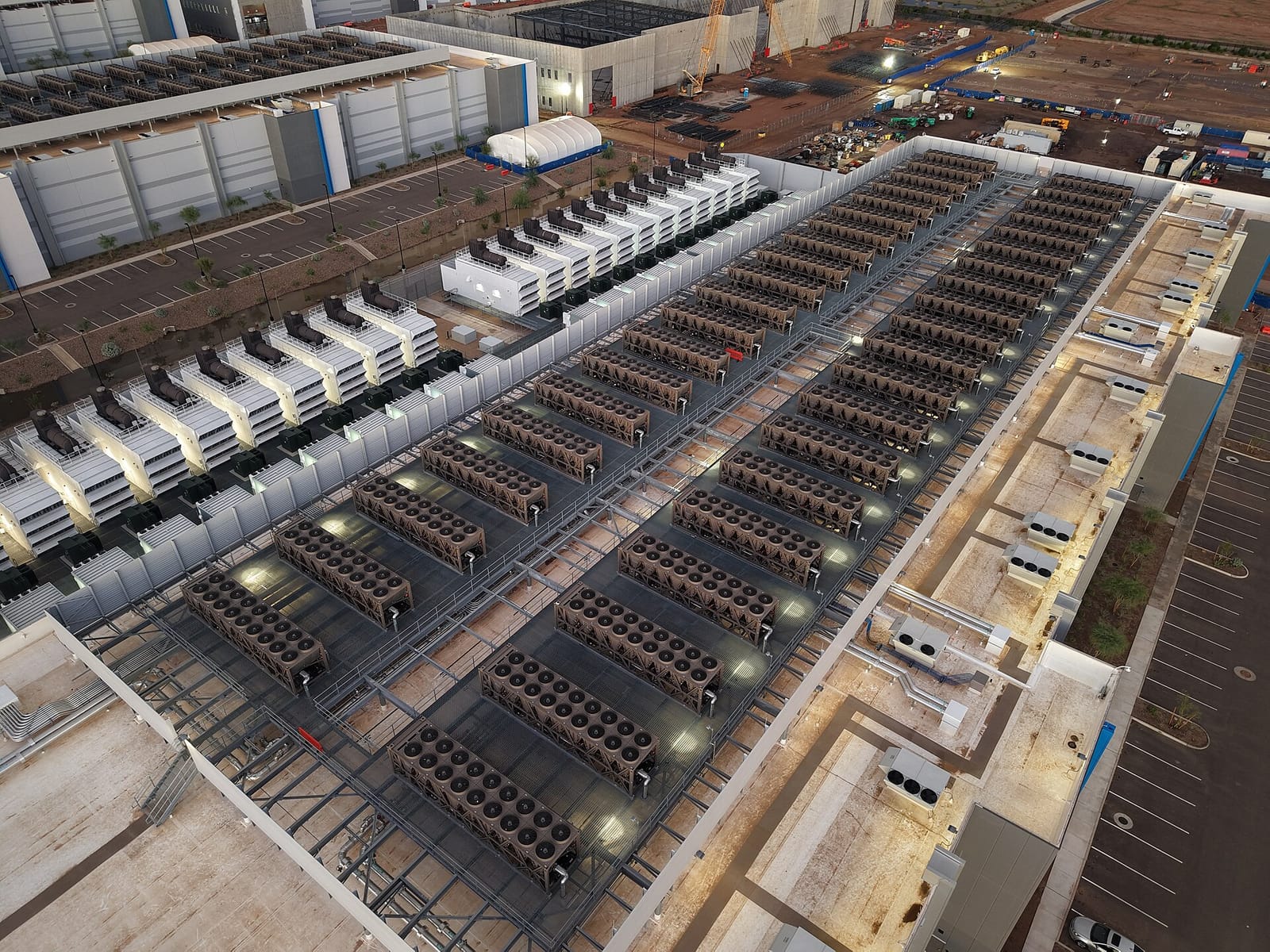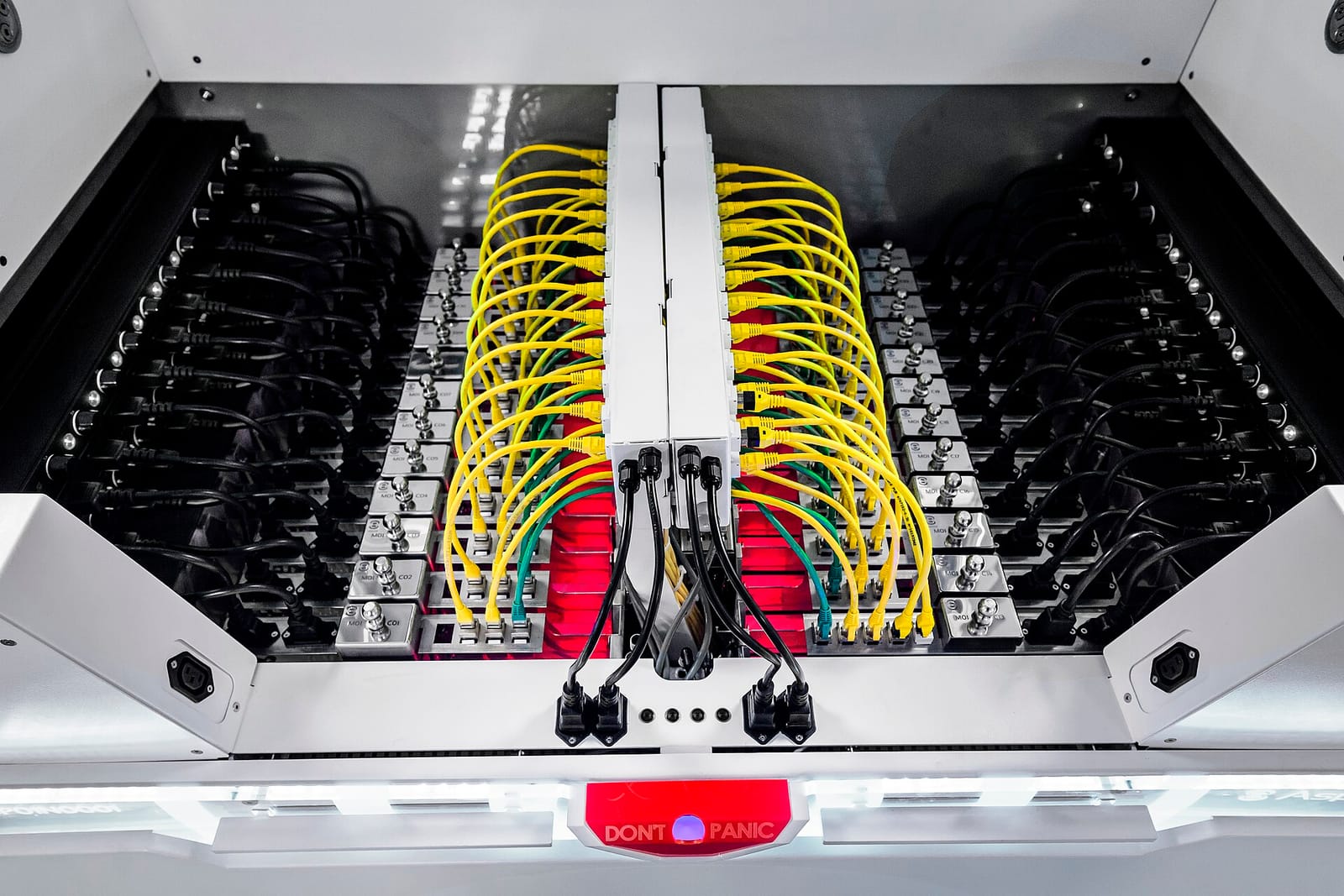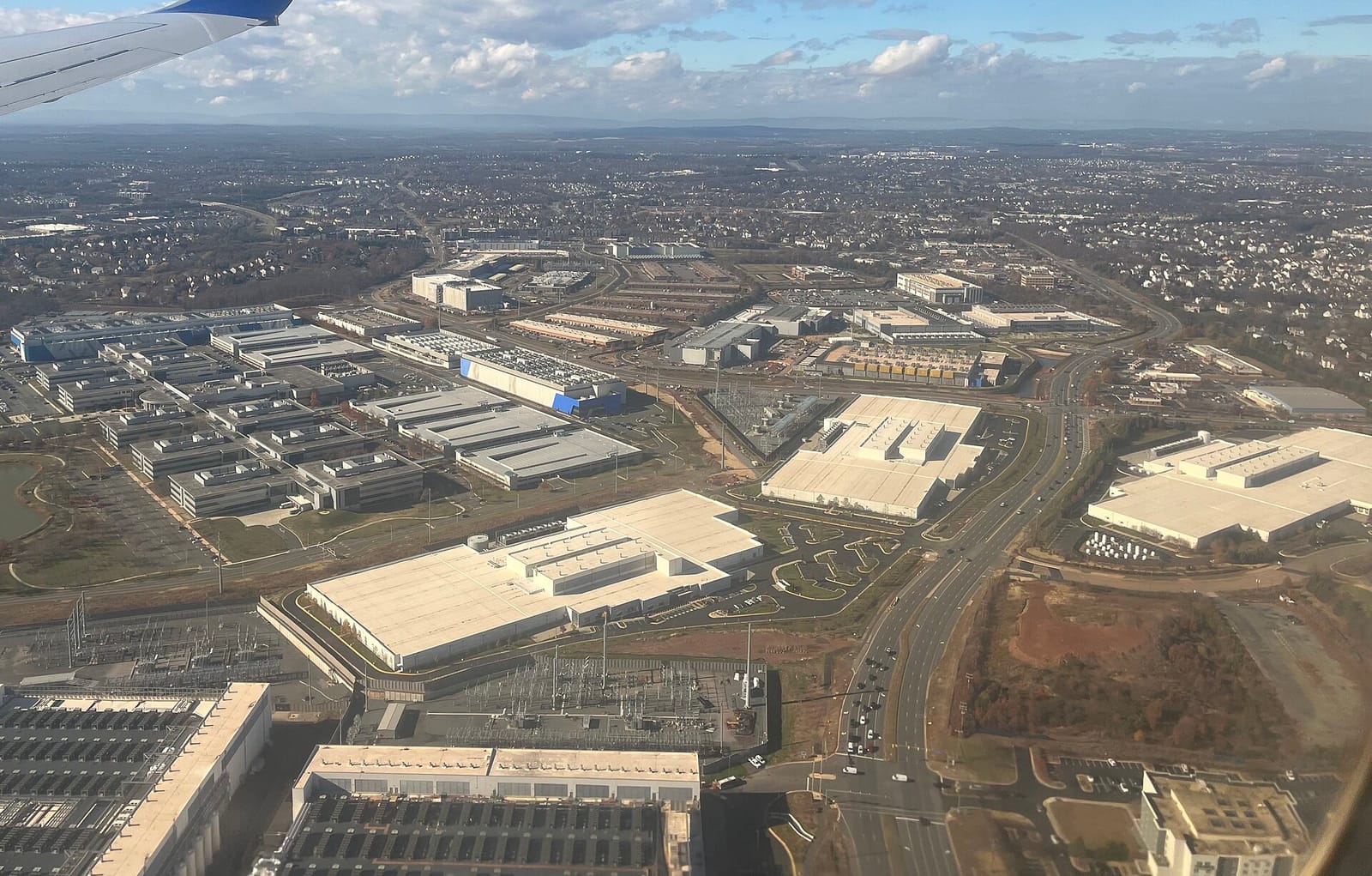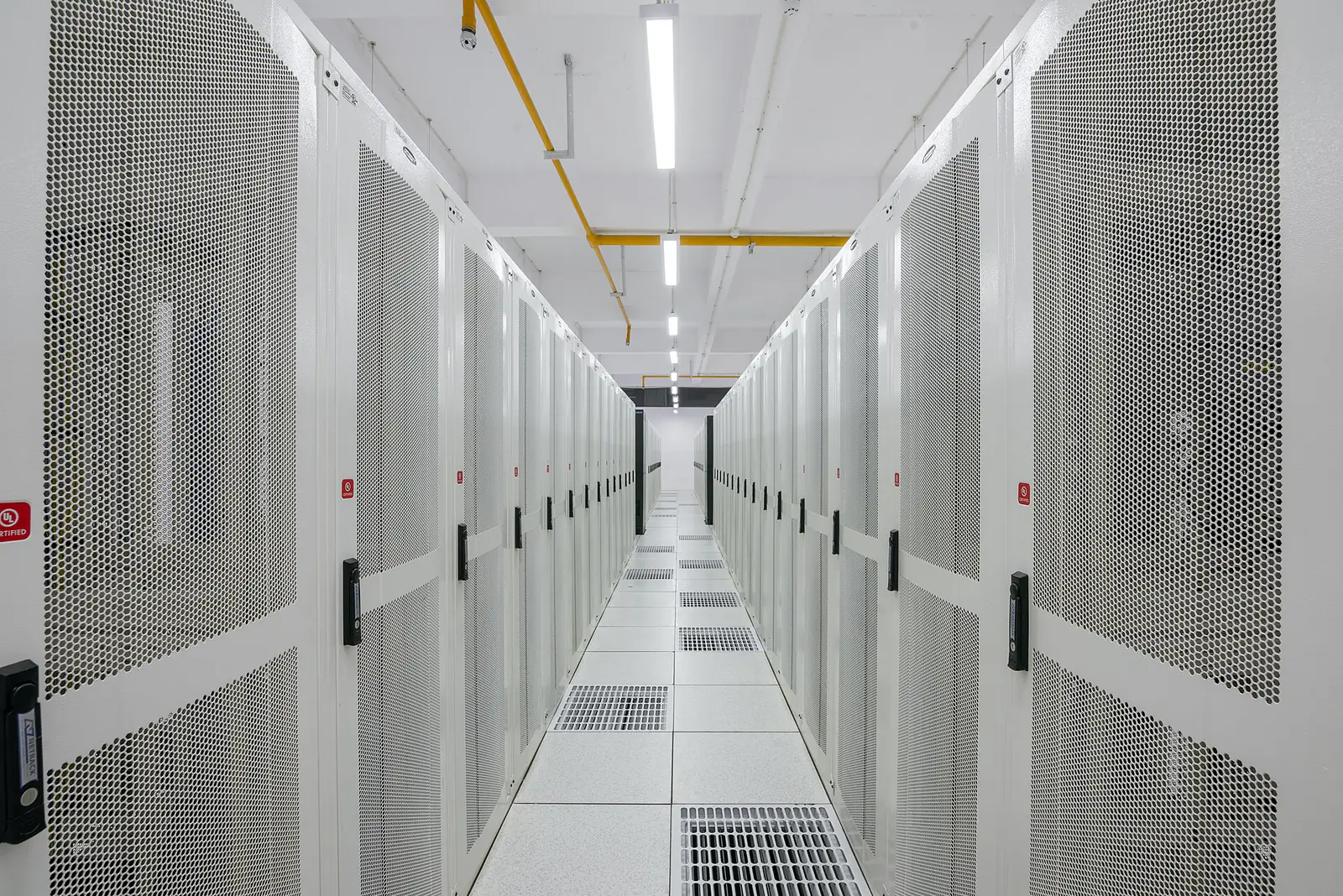
A power-flexible AI data center is one that can raise or lower its electricity draw in response to grid conditions, for example by pausing deferrable training jobs, shifting work to another site, or running on batteries and onsite generation during peaks. The idea is gaining attention because power, not chips, is increasingly the limit on new AI capacity: Nvidia says more than $300 billion of electrical equipment is backlogged and over 200 gigawatts of projects wait in U.S. interconnection queues. This explainer covers how flexibility works, what vendors claim and what remains unproven.
Why power is the bottleneck
AI data centers are large, steady loads, and utilities plan grid upgrades years ahead. A request to connect a site of hundreds of megawatts can wait in a queue for years, and the transformers, switchgear and turbines needed are in short supply. The International Energy Agency’s “Energy and AI” report estimated that data centers used roughly 415 terawatt-hours of electricity in 2024, about 1.5% of the world total, and projected demand to roughly double by 2030 under its base case. Our explainer on how much energy AI uses gives the background and the uncertainty around those figures.
If every data center demands firm power at all hours, the grid must be built for their peak. If some could trim their draw for a few hours a year, grid operators could connect them sooner using existing capacity.
How a flexible data center works
Flexibility comes from several levers, which can be combined:
- Workload shifting in time. Training runs and batch jobs can often pause or slow for minutes to hours, unlike a live chatbot request.
- Workload shifting in space. A company with several sites can move jobs to where power is cheaper or less strained.
- Power capping. GPUs can be run at lower power limits, trading some speed for lower draw.
- Onsite resources. Batteries and generators can cover short peaks so the facility draws less from the grid.
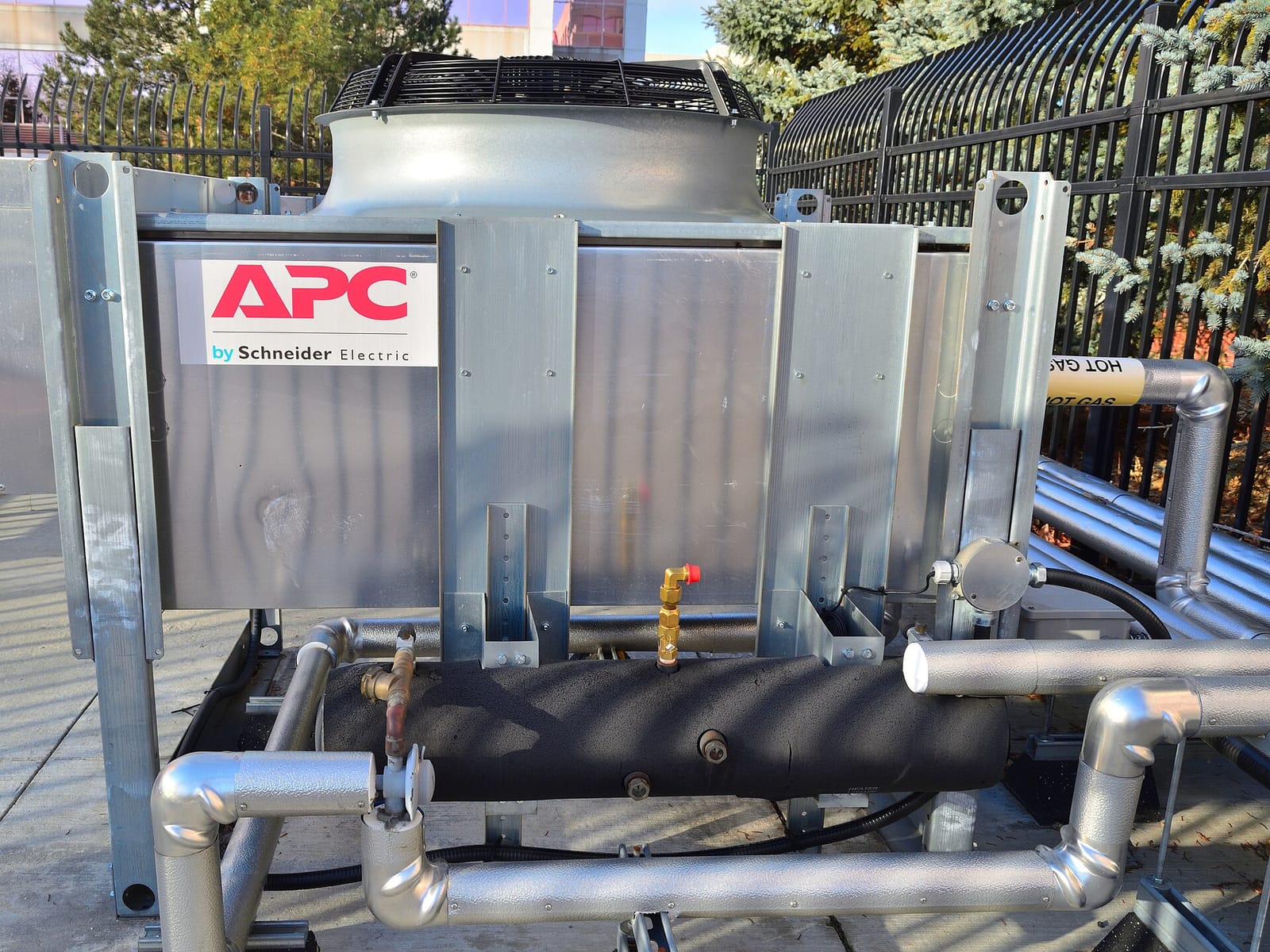
- Cooling and facility controls. Adjusting cooling set points and storage can cut demand briefly; see our guide to liquid cooling for how cooling fits in.
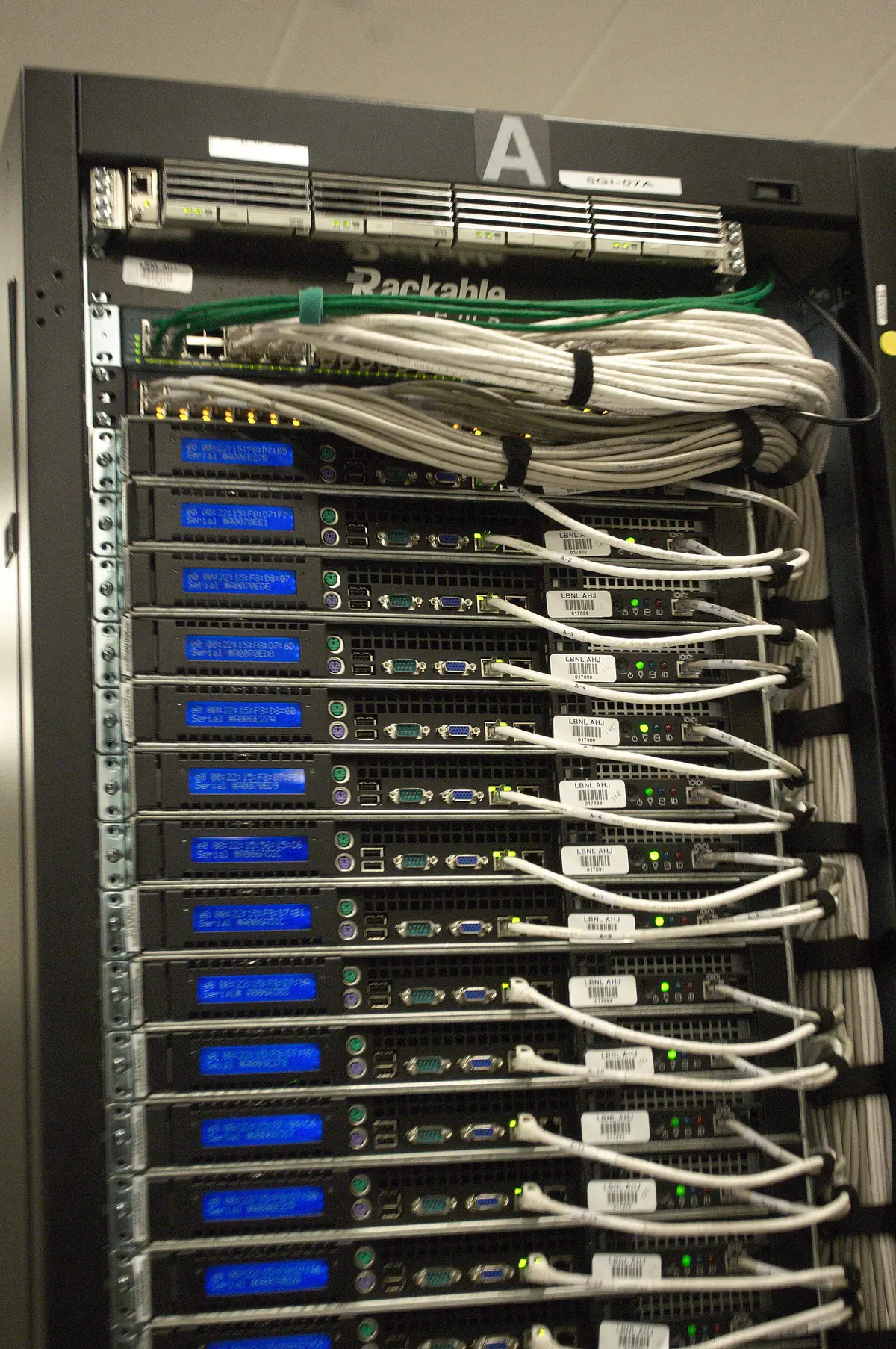
The grid operator signals when it needs relief, and the site responds under a contract that defines how much, for how long and how often. This is the same logic as demand response for factories, applied to computing.
What Nvidia’s DSX platform claims
Nvidia’s DSX AI Factory Platform aims to plan, simulate and run the grid and the data center “as one system, from the substation to the rack,” according to its blog post published this month. Components named there include DSX Sim, which simulates the grid, substation and facility together before construction; DSX Flex, which syncs AI factory demand with grid conditions and onsite generation; and DSX MaxLPS and DSX Exchange, which aim to extract more compute per watt and share signals across compute, networking, energy and cooling systems.
Partners named include GE Vernova, Hitachi Energy, Schneider Electric, Siemens Energy, Phaidra and Emerald AI. Nvidia says Phaidra’s agents delivered about 10% more compute within the same power envelope, and that Emerald AI’s approach is modeled to unlock up to 100 gigawatts on the existing U.S. grid. These are vendor figures from a company blog, not independent audits, and the post gives no methodology.
Evidence from independent research
Academic work supports the basic premise. Researchers at Duke University’s Nicholas Institute estimated in 2025 that U.S. power systems could absorb tens of gigawatts of new large loads if those loads curtailed demand for a small fraction of hours each year. The result depends on assumptions about how rarely and how briefly the sites would curtail, which is the central commercial question: AI operators sell availability, so every hour of reduced compute has a cost.
Limits and open questions
- Not all work is flexible. Inference serving for paying users is latency-sensitive; flexibility mostly applies to training and batch work.
- Contracts and regulation. Utilities and regulators need rules for who is paid, how performance is verified and what happens if a site fails to curtail.
- Hardware wear and efficiency. Frequent ramping or power capping can affect utilization of expensive GPUs.
- Local resistance. Flexibility does not answer community concerns about water, land or emissions, which have driven protests in several countries.
What to watch next
- Utility tariffs and interconnection rules that reward flexible connection.
- Published results from pilot sites showing real curtailment hours and compute lost.
- Independent verification of the 10% and 100 GW figures.
- Whether hyperscalers sign flexibility clauses into new gigawatt-scale deals.
- Battery and onsite generation costs relative to waiting for grid upgrades.
Key takeaways
- Power availability, not chips alone, now limits AI data center growth.
- Flexible sites cut draw briefly by pausing jobs, shifting work, capping GPUs or using batteries.
- Nvidia’s DSX platform and its partners claim gains, but the figures are unaudited.
- Independent research suggests meaningful grid headroom if curtailment is rare and brief.
- Latency-sensitive inference limits how flexible a site can be.
Frequently asked questions
What is a power-flexible data center?
It is a data center that can change how much electricity it draws in response to grid signals, using techniques such as pausing batch jobs, shifting work between sites, power capping GPUs and drawing on batteries.
Does flexibility reduce AI’s total energy use?
Not necessarily. It mainly changes when power is drawn and can allow connection to a constrained grid sooner. Total consumption depends on how much compute is run.
Who benefits from flexible AI loads?
Utilities and grid operators gain peak relief and faster connection options, while data center operators may get earlier access to power in return for agreeing to curtail at times.