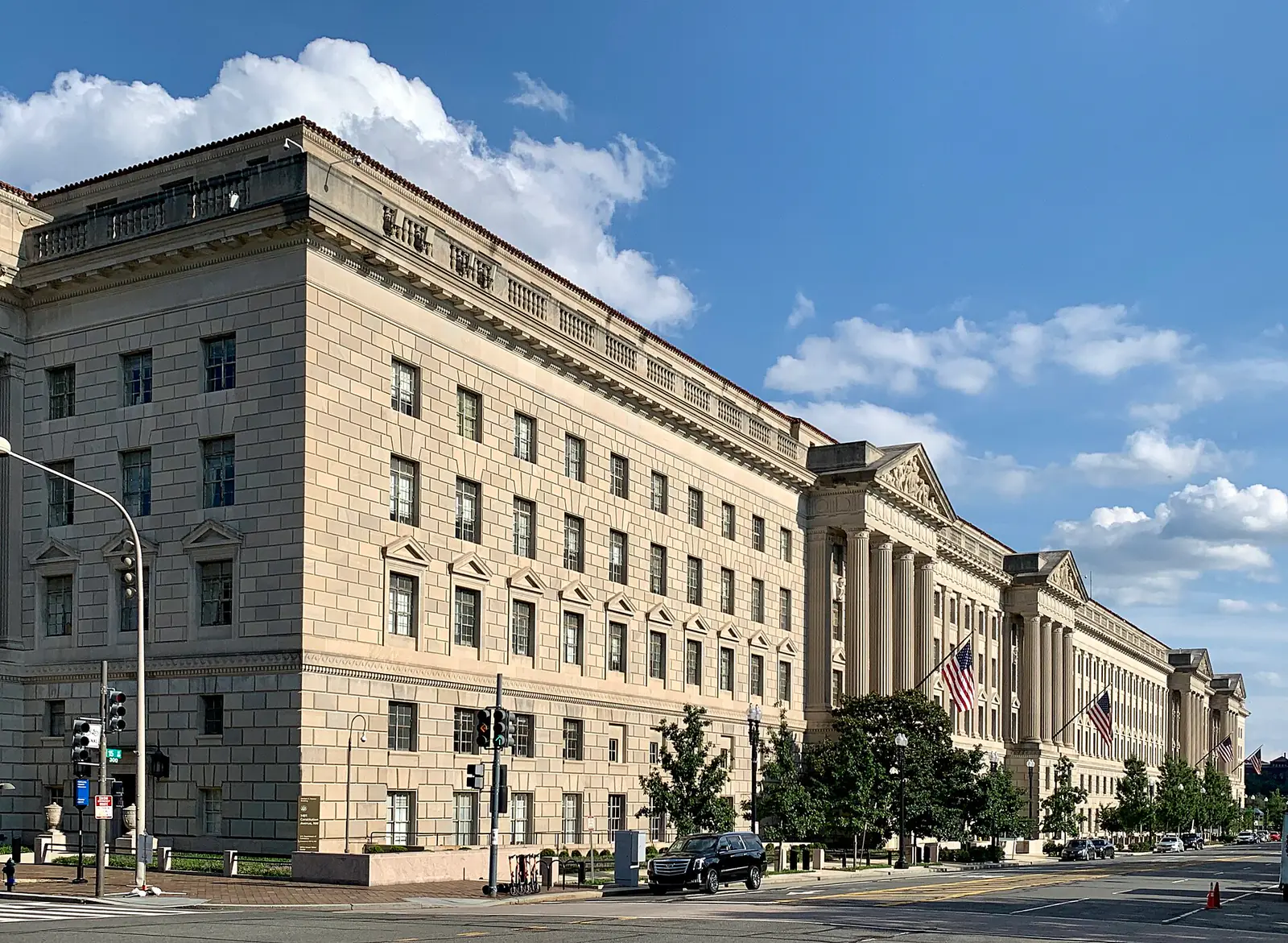
The U.S. Commerce Department’s Bureau of Industry and Security (BIS) on Sunday, November 16, released an interim final rule that requires overseas data centers to obtain a license before renting large amounts of advanced AI computing power to companies headquartered in China, Macau or other countries in export-control Country Group D:5. The rule also adds a license requirement for shipping advanced AI chips to Indonesia, Malaysia, Singapore, Thailand and Brazil, which BIS says present a higher-than-normal risk of diversion. It closes what officials call a remote-access loophole: until now, a Chinese company barred from buying restricted chips could legally rent them from a data center in a third country.
What the rule does
BIS says the rule was written by and at the direction of the Treasury Department and the National Security Council. According to the public display copy, it has three main parts.
The first is an end-use control on compute. Exporters may not knowingly ship controlled chips to a data center anywhere in the world that will give more than 12,000,000 “aggregate TPP” of computing power to companies headquartered in, or ultimately owned from, Macau or a Country Group D:5 destination, which includes China. Aggregate TPP is the summed “total processing performance” of the chips involved, the same metric used in existing chip controls. The threshold counts “linked data centers,” including digitally linked sites, so splitting a cluster across buildings does not escape it. The rule also covers cases where a non-Chinese customer is knowingly training or supplying models for a D:5 company.
The second is a destination control. A license is now needed to export advanced chips to Indonesia, Malaysia, Singapore, Thailand and Brazil. Shipments to companies headquartered in the United States, or whose ultimate parent is, are excluded if the exporter files monthly reports on those transactions.
The third is a clean-up. The rule rescinds the worldwide license requirement and related changes introduced by the January 2025 “Framework for Artificial Intelligence Diffusion,” replacing that tiered global system with the narrower, destination-based approach above.
Deadlines and exemptions
The rule takes effect when it is published in the Federal Register, and comments are due 60 days later. Data centers that were already supplying significant compute to D:5 companies before publication have 90 days from the effective date to obtain a license or face future export restrictions. Computing power used exclusively for “commercial recommender systems,” such as product suggestions on retail sites or feeds on social media, is exempt; BIS says these do not pose the same national-security threat. The department said companies or countries that tolerate evasion could face stricter licensing or changes to their entity-list status.
Why now
The timing follows the crisis at Nvidia. The company’s customer Megaspeed, a Singapore-based data center firm, is at the center of reports on how restricted Nvidia chips reached Chinese users, as we covered in our story on Treasury Secretary Scott Bessent’s demands of Nvidia. Ars Technica, citing The New York Times, reports that selling remote access to AI servers to customers in China was legal before this rule, and that Bessent pushed for tighter controls inside the administration. Researchers have also reported technical traces suggesting that some Chinese models were trained on banned hardware, as detailed in our report on Blackwell fingerprints in Chinese models.
What it means for cloud providers and chip buyers
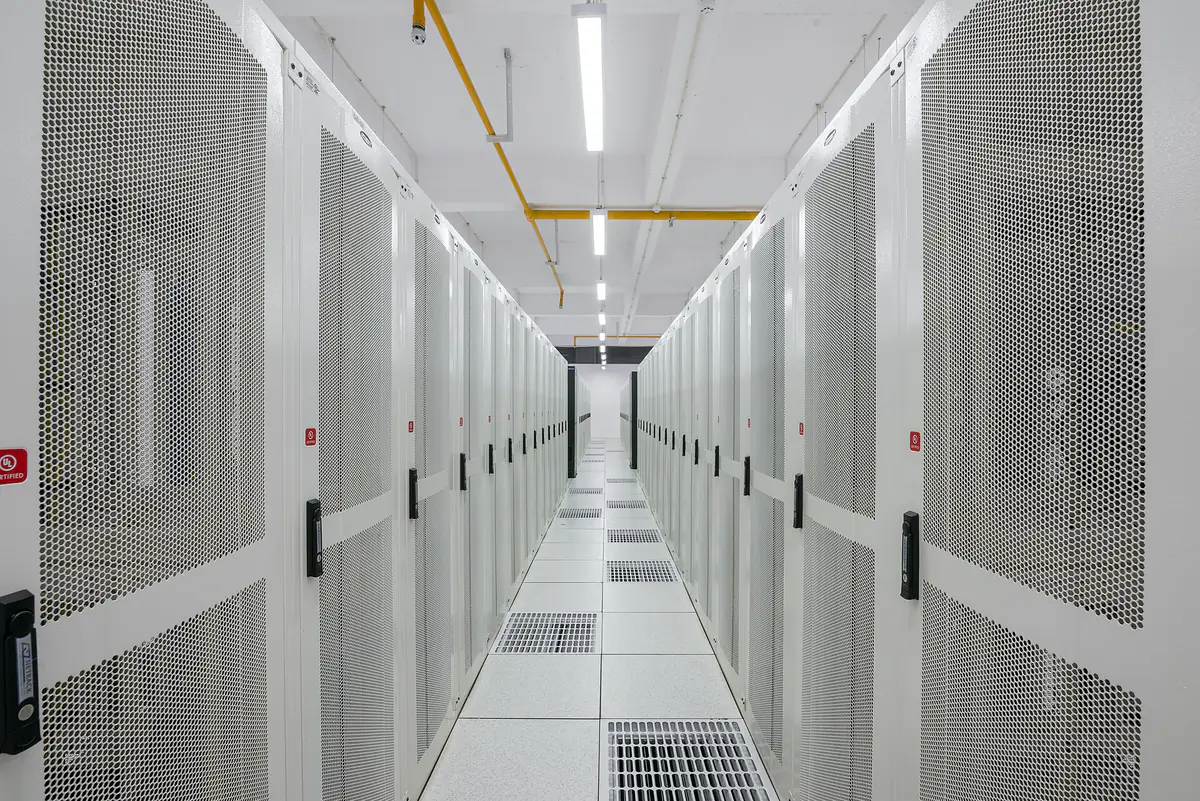
The practical burden falls on three groups. Data center operators in Southeast Asia and Brazil now need licenses for new chip imports and must know who ultimately owns their customers, since a customer’s headquarters or parent company, not its local address, decides whether the rule applies. Chip exporters and foreign foundries must collect “know your customer” information from the data centers they supply. And U.S. cloud companies building in the five named countries can keep importing chips without a license, but only if they file the monthly reports.
For Chinese AI labs, the effect depends on enforcement. Large training runs need far more than the 12,000,000 TPP threshold, so a licensed regime makes renting frontier-scale clusters abroad much harder on paper. But Ars Technica notes it is unclear how aggressively Commerce will enforce the rule, and smaller rentals below the threshold remain outside it. Our explainer on AI chip export controls covers how TPP and Country Group D:5 work.
What to watch next
- The rule’s publication date in the Federal Register, which starts the 90-day license window and the 60-day comment period.
- License applications and approvals for data centers in Singapore, Malaysia and the other named countries.
- Whether Commerce adds more countries, which the rule allows in consultation with State and the National Security Council.
- China’s official response and any retaliation affecting U.S. chip companies.
Key takeaways
- Overseas data centers need a license to supply more than 12,000,000 aggregate TPP of compute to Chinese-headquartered companies.
- Advanced chip exports to Indonesia, Malaysia, Singapore, Thailand and Brazil now need a license, except for U.S.-headquartered buyers that report monthly.
- Existing providers have 90 days after the effective date to get licensed; recommender systems are exempt.
- The rule replaces the remaining AI Diffusion framework with narrower, destination-based controls.
Frequently asked questions
What is the remote-access loophole in AI chip export controls?
Export rules restricted selling advanced chips to Chinese companies but not renting their computing power from data centers in other countries. The new rule requires licenses for large rentals of that kind.
Which countries are affected by the new AI chip rule?
Data centers anywhere are covered if they serve companies headquartered in China, Macau or other D:5 countries. Chip shipments to Indonesia, Malaysia, Singapore, Thailand and Brazil also now need a license.
When does the remote-access rule take effect?
It takes effect on publication in the Federal Register. Data centers already serving affected customers have 90 days from then to obtain a license.