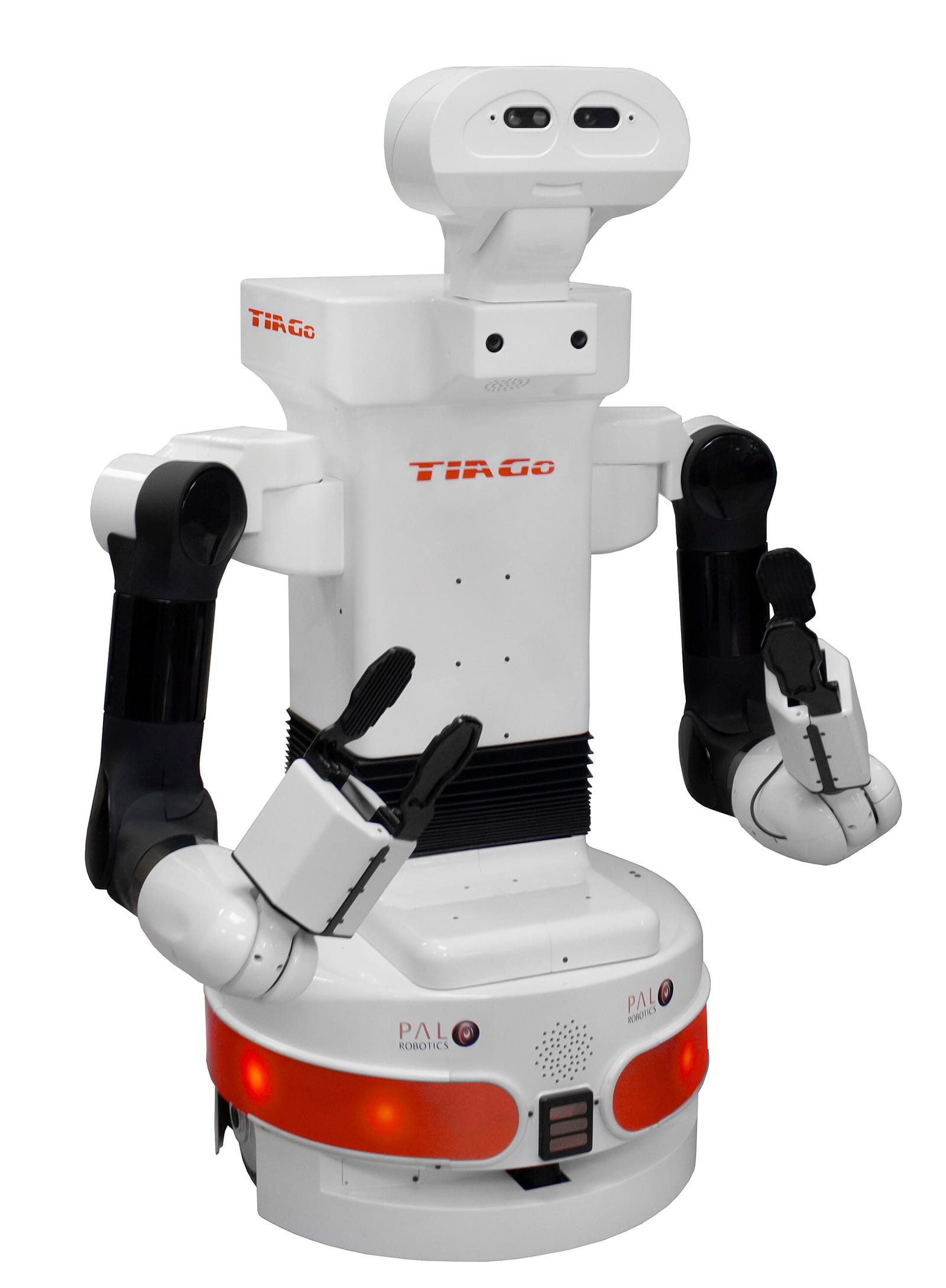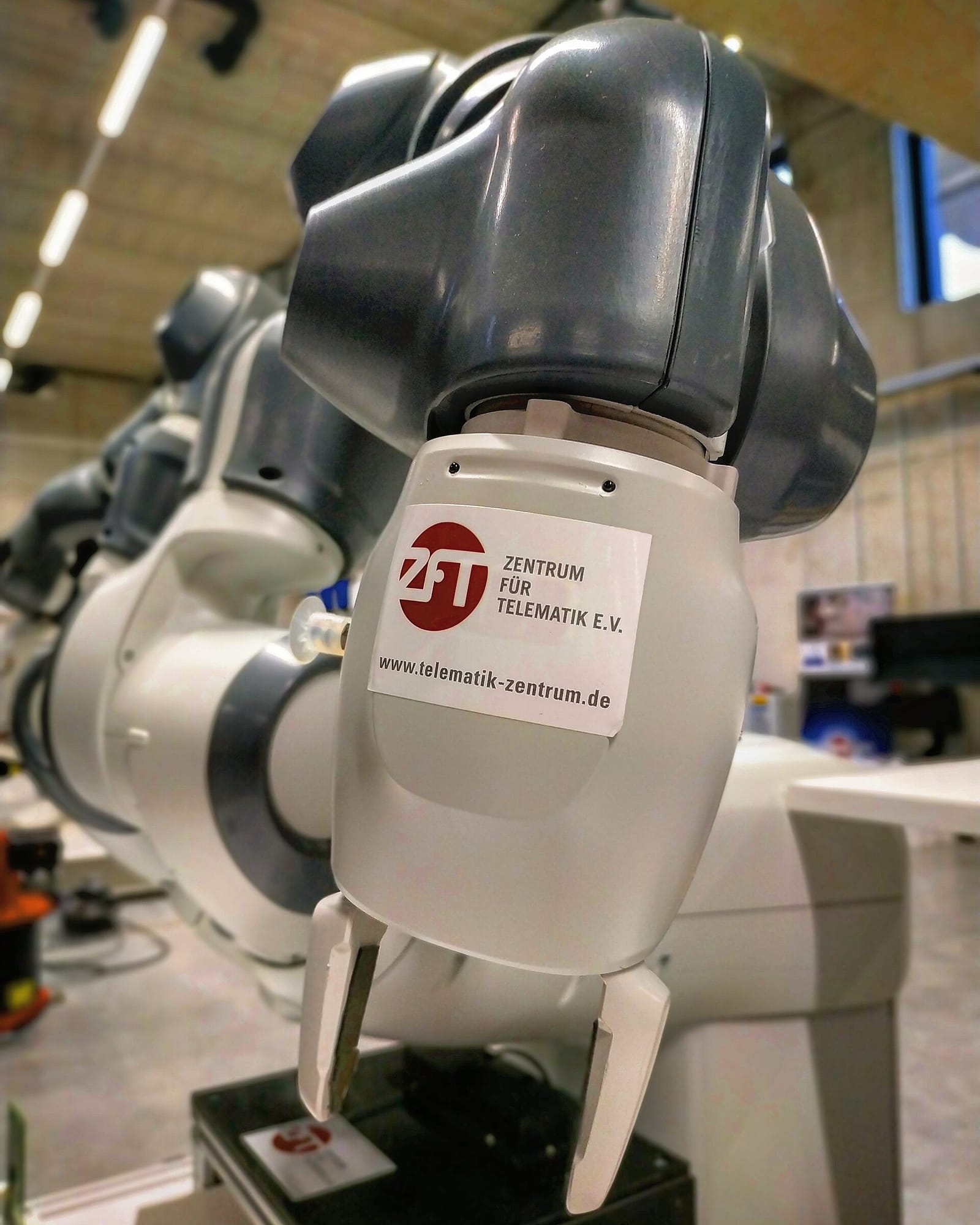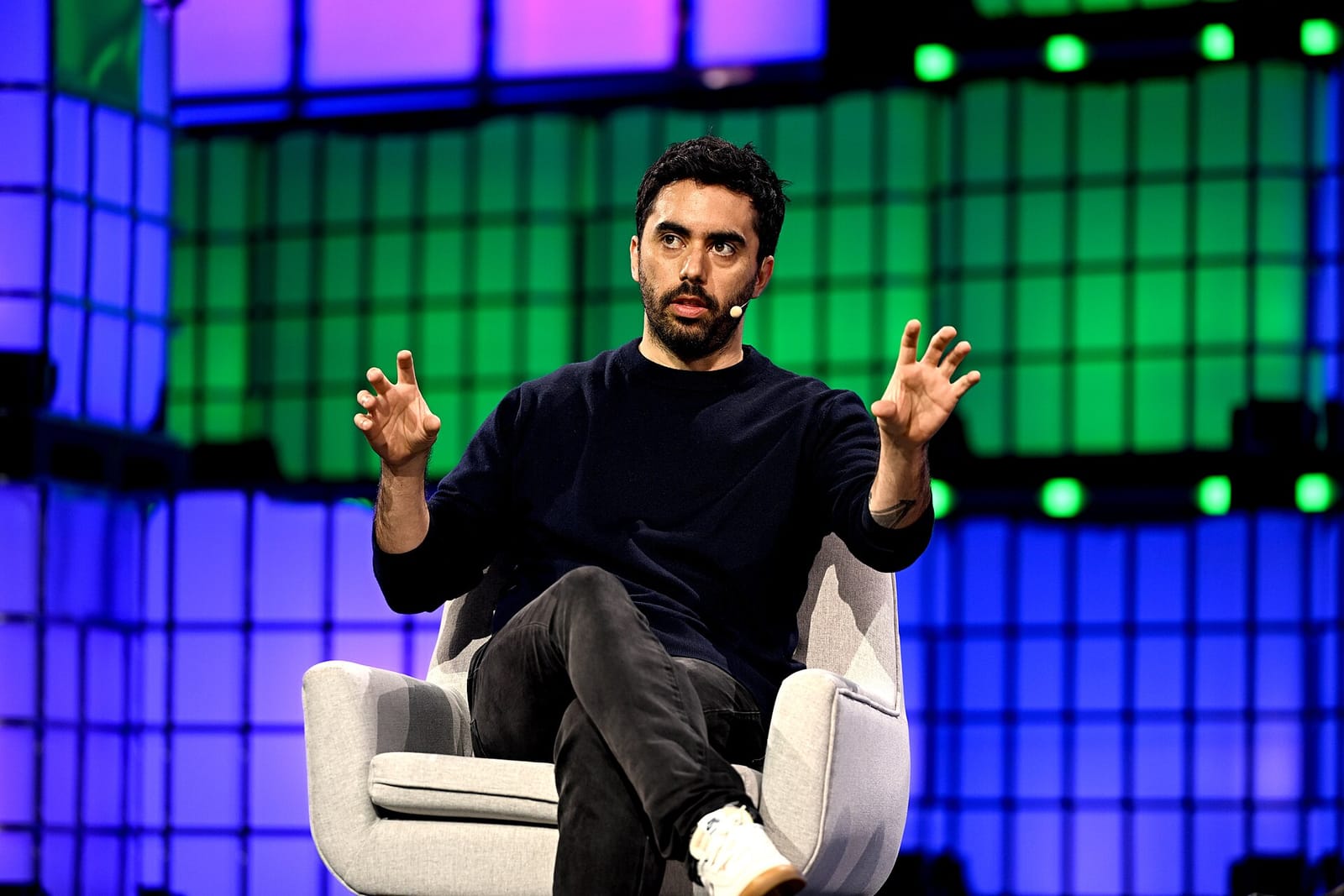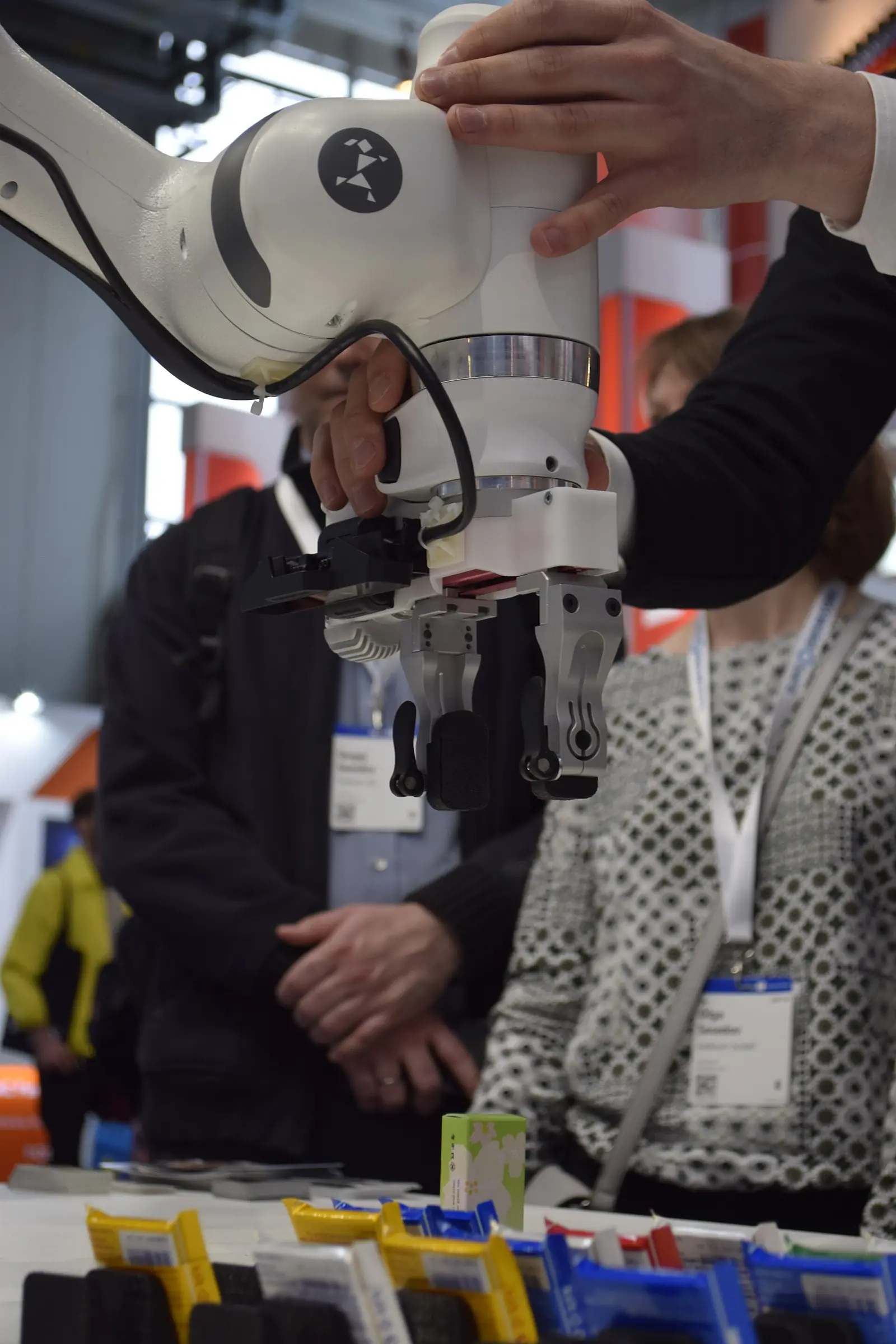
Runway has released Praxis-1, its robot control model, with open weights and code under the Apache 2.0 license, which allows commercial use. The 27-billion-parameter model, first shown to partners in September, predicts both how a scene will change and the motions a robot should make, and Runway says it is the top “world action model” on Nvidia’s RoboLab-120 simulation leaderboard with a 46.2% success rate. The release puts a video-pretrained robot model from a major generative video company in the hands of any developer with a suitable Nvidia GPU.
What Runway released
The package includes the model weights on Hugging Face (with native support in the LeRobot library), inference and fine-tuning code on GitHub, support in vLLM-Omni and hosted inference through Runway’s own services. Fine-tuning works both as full training and with LoRA, a lighter method that adapts a model without retraining all of it. Runway says Praxis-1 runs on Nvidia hardware from data center GPUs such as the H100 and B200, through workstation cards such as the RTX 5090, to the Jetson Thor computer that sits on a robot.
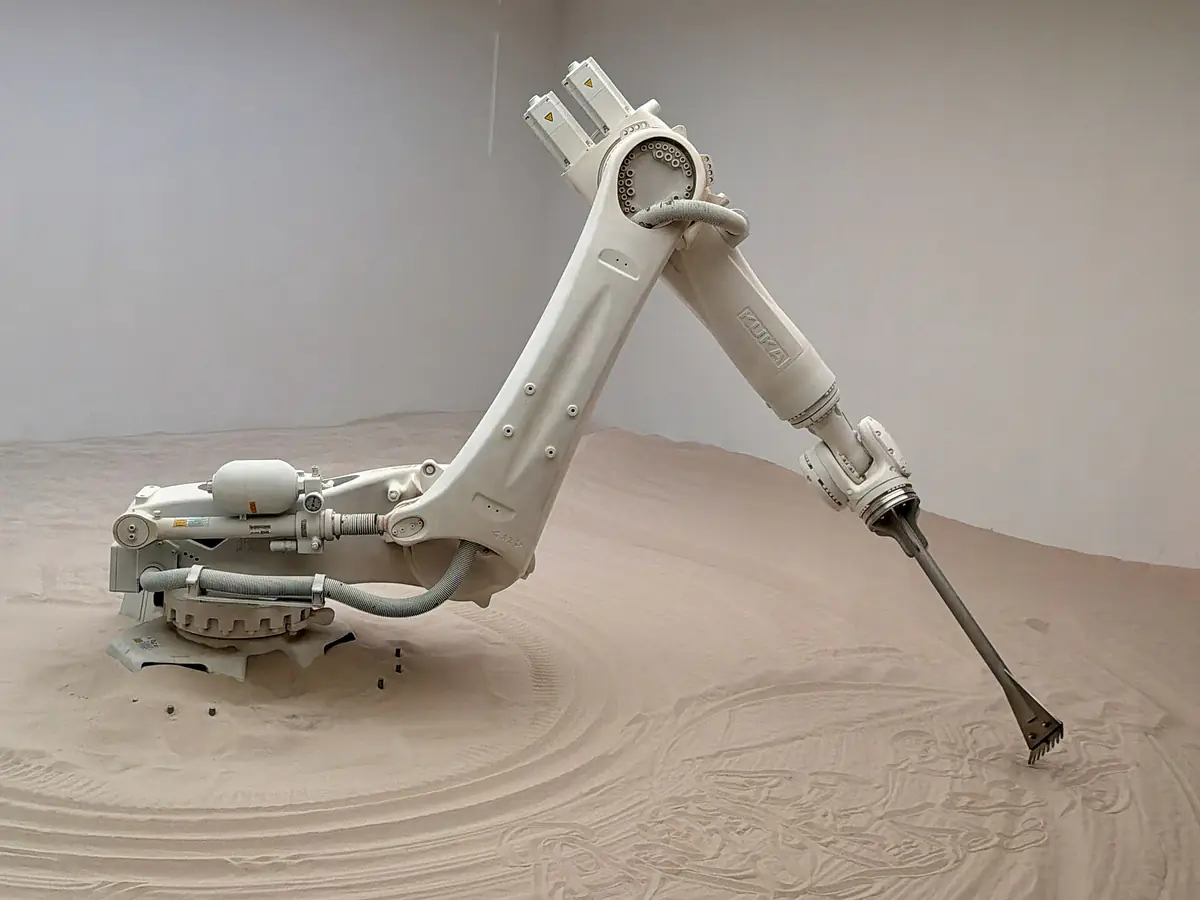
Since September, three launch partners have run the model on their own machines: Noble Machines on a legged humanoid, Standard Bots on a six-axis industrial arm and Ultra on a dual-arm warehouse robot.
How Praxis-1 turns video into robot actions
Most robot policies today are vision-language-action models, which map camera images and an instruction straight to motor commands (our explainer on vision-language-action models covers the approach). Praxis-1 takes a different route. It starts from Runway’s video foundation model, which learned how objects move from ordinary footage, and adds a small “action expert” that reads the video model’s internal picture of what will happen next.
On each call, the model receives an instruction, the latest camera frames and the robot’s current pose. It returns a predicted chunk of future video together with 1.6 seconds of motion, 24 action steps at 15 Hz. The robot carries out the chunk, sends back what its cameras saw and calls again. According to Runway’s research report, the video backbone is a mixture-of-experts diffusion transformer with 26.9 billion parameters, of which about 2.8 billion are active for any token, and the action expert adds about 314 million.
The model still needs some robot data. To adapt it to a Franka research arm, Runway used about 277 hours of recordings from the public DROID dataset, and 1,400 to 2,600 hours for a dual-arm robot, The Decoder reports. Runway also says it occasionally confuses similar-looking objects and cannot yet reliably plan long sequences on its own.
How it compares with other robot models
Runway’s announcement gives these RoboLab-120 results, measured across 1,200 simulated episodes:
| Model | RoboLab-120 success |
|---|---|
| Praxis-1 (Runway) | 46.2% |
| FLUX 3 Action | 42.9% |
| Cosmos3 Nano (Nvidia) | 36.8% |
| π0.5 (Physical Intelligence) | 28.0% |
Two caveats apply. Runway ran these tests itself, and The Decoder notes that in the overall leaderboard Praxis-1 ranks fifth, behind two agent systems and two robot models with other architectures; its lead holds within world action models and open-weight models. Runway also reports that, fine-tuned on Google’s RT-1 robot, which it never saw in training, Praxis-1 reached 80.0% on the SimplerEnv benchmark against 52.4% for the original RT-1 policy.
What it means for robotics developers
The appeal is data. Collecting teleoperated robot demonstrations is slow and expensive, a problem we described in our guide to how robots learn from demonstrations. Runway argues that web video can do much of the same pretraining work, so a small team could start from Praxis-1 and add a few hundred hours of its own robot data instead of thousands. Whether that really saves data overall compared with models without video pretraining is not yet proven.
The Apache 2.0 license also lets hardware startups ship and modify the model in commercial robots. Runway, best known for the video tools in our Runway review, ties the release to the Nvidia-backed Cosmos Coalition for open “physical AI” models.
What to watch next
- Independent RoboLab-120 and real-world results from groups outside Runway and its partners.
- Fine-tuned Praxis-1 variants for low-cost arms such as the SO-101, which Runway says it supports.
- Whether rival video labs open their own world action models in response.
- Commercial deployments by Noble Machines, Standard Bots and Ultra.
Key takeaways
- Runway released Praxis-1, a 27B-parameter robot world action model, with open weights and code under Apache 2.0.
- It predicts future video and 1.6-second chunks of robot motion together, building on Runway’s video foundation model.
- Runway reports 46.2% on Nvidia’s RoboLab-120, ahead of FLUX 3 Action, Cosmos3 Nano and π0.5, in its own tests.
- The model still needs hundreds to thousands of hours of robot data to adapt to new machines.
- It runs on Nvidia GPUs from H100 and B200 down to Jetson Thor, with LoRA fine-tuning supported.
Frequently asked questions
What is Runway Praxis-1?
Praxis-1 is a robot control model from Runway that predicts how a scene will change and the robot motions needed to get there. It is built on Runway’s video foundation model and was released with open weights in November 2026.
Is Praxis-1 free to use commercially?
Yes. Runway released the weights and the inference and fine-tuning code under the Apache 2.0 license, which permits commercial use and modification.
What is a world action model?
A world action model predicts future observations, such as the next frames of video, and the actions that produce them in a single system. Vision-language-action models, by contrast, map inputs directly to actions without explicitly imagining the future scene.