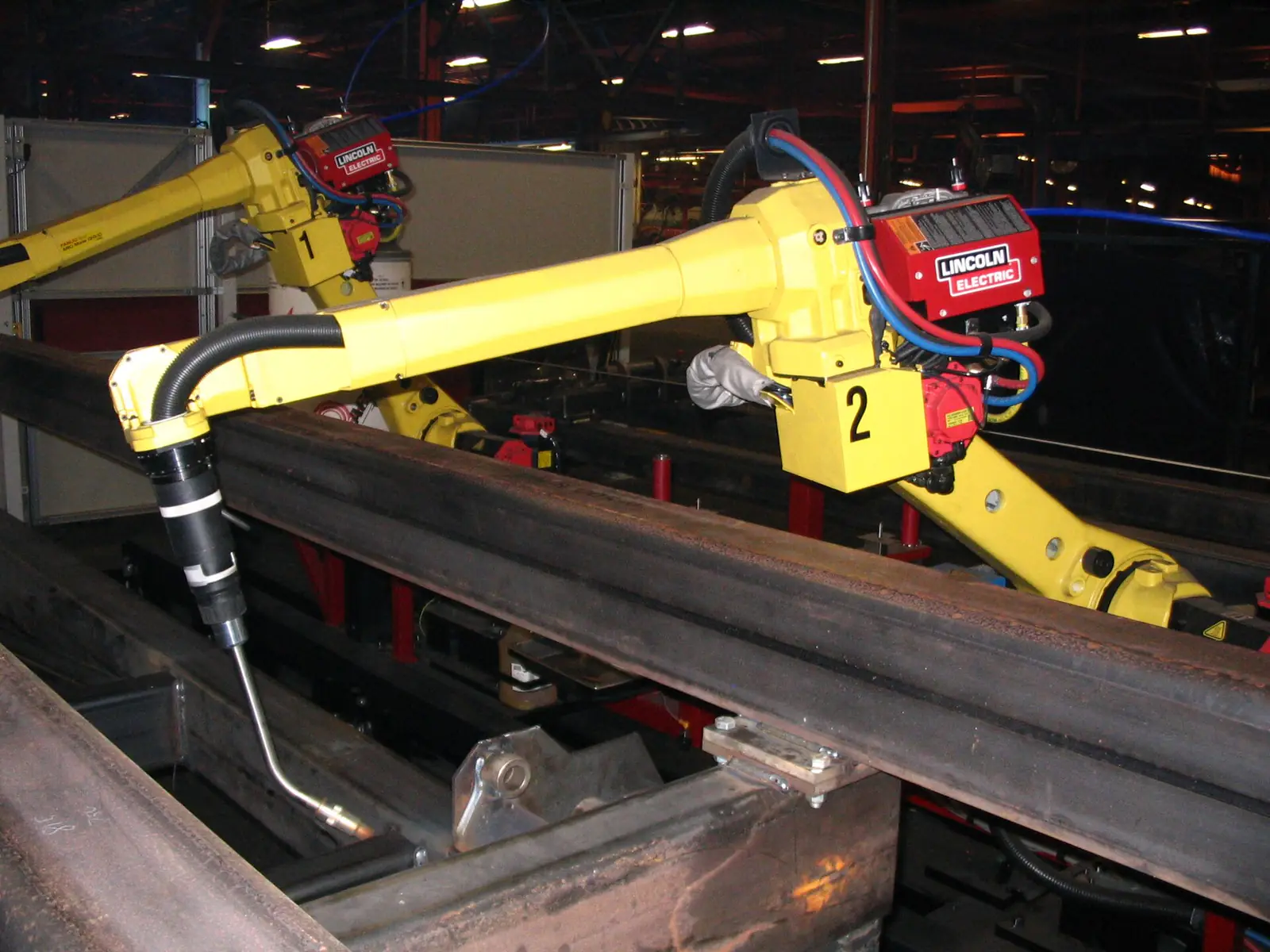
President Donald Trump signed a proclamation on October 28, 2026 declaring that imports of robotics, industrial machinery and their components threaten to impair US national security. The order does not impose tariffs yet. It directs the Commerce Secretary and the US Trade Representative to negotiate with trading partners, and it warns that “tariffs, duties, quotas, and fees” could follow if no agreements are reached within 180 days. That clock runs out around late April 2027.
What the proclamation says
The proclamation rests on a Section 232 investigation led by Commerce Secretary Howard Lutnick. Under Section 232 of the Trade Expansion Act of 1962, the Commerce Department can examine whether imports endanger national security, and the president can then adjust those imports. According to The Robot Report, the finding is that robotics, industrial machinery and their components are imported “in such quantities and under such circumstances as to threaten to impair the national security of the United States.”
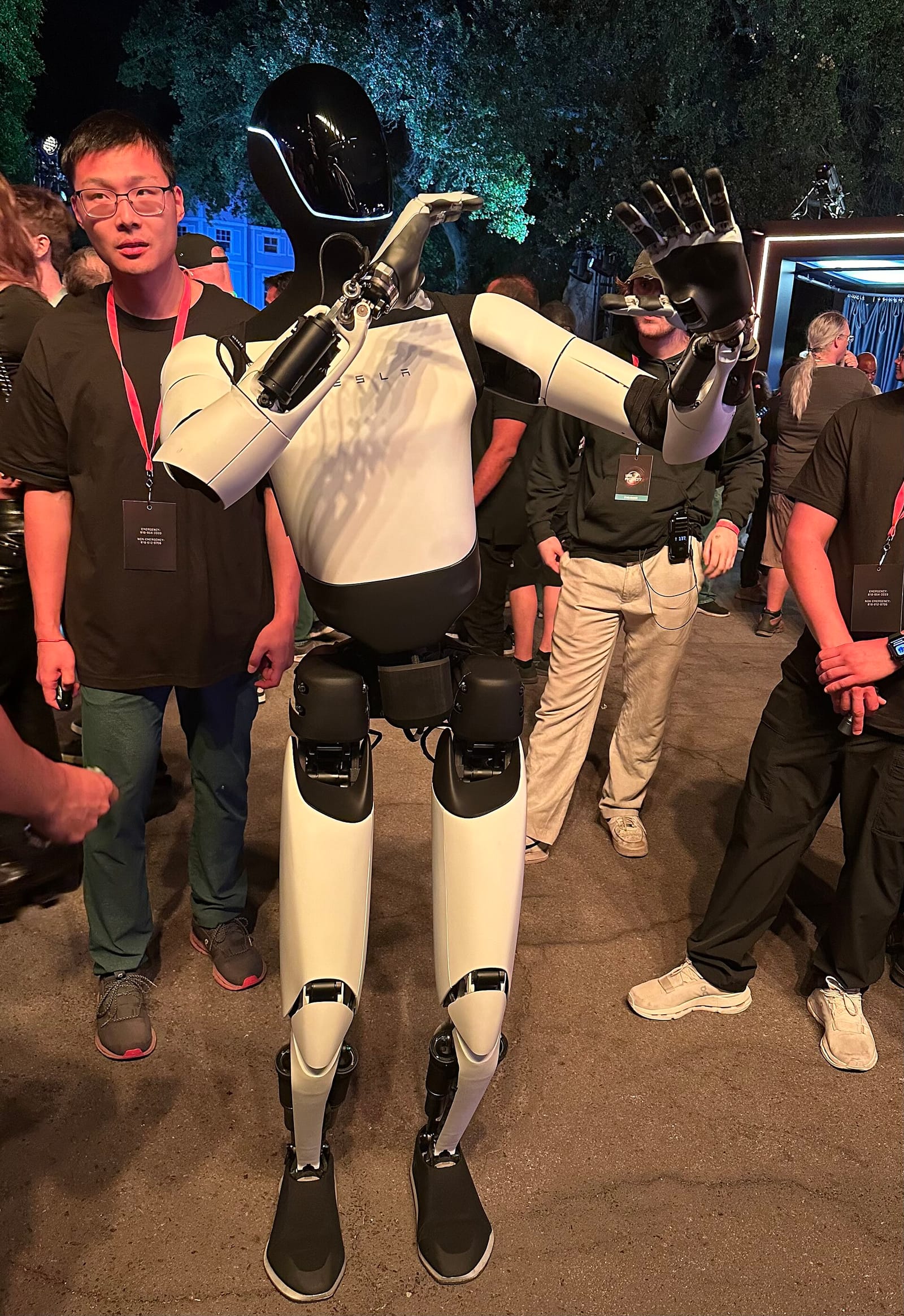
Ars Technica reports that the text calls industrial robots and machinery crucial to producing US military weapons systems and a “driving force” behind all critical infrastructure sectors. It also cites “unique security and safety risks” and possible cybersecurity vulnerabilities. The Robot Report adds that the finding specifically names advanced robots, including autonomous robots, humanoid and quadruped robots, and autonomous ground vehicles, as direct support for the military. The proclamation concedes that US robot makers do not produce enough to meet national security needs and that the country relies on imports for most robots and machinery.
Who is exposed
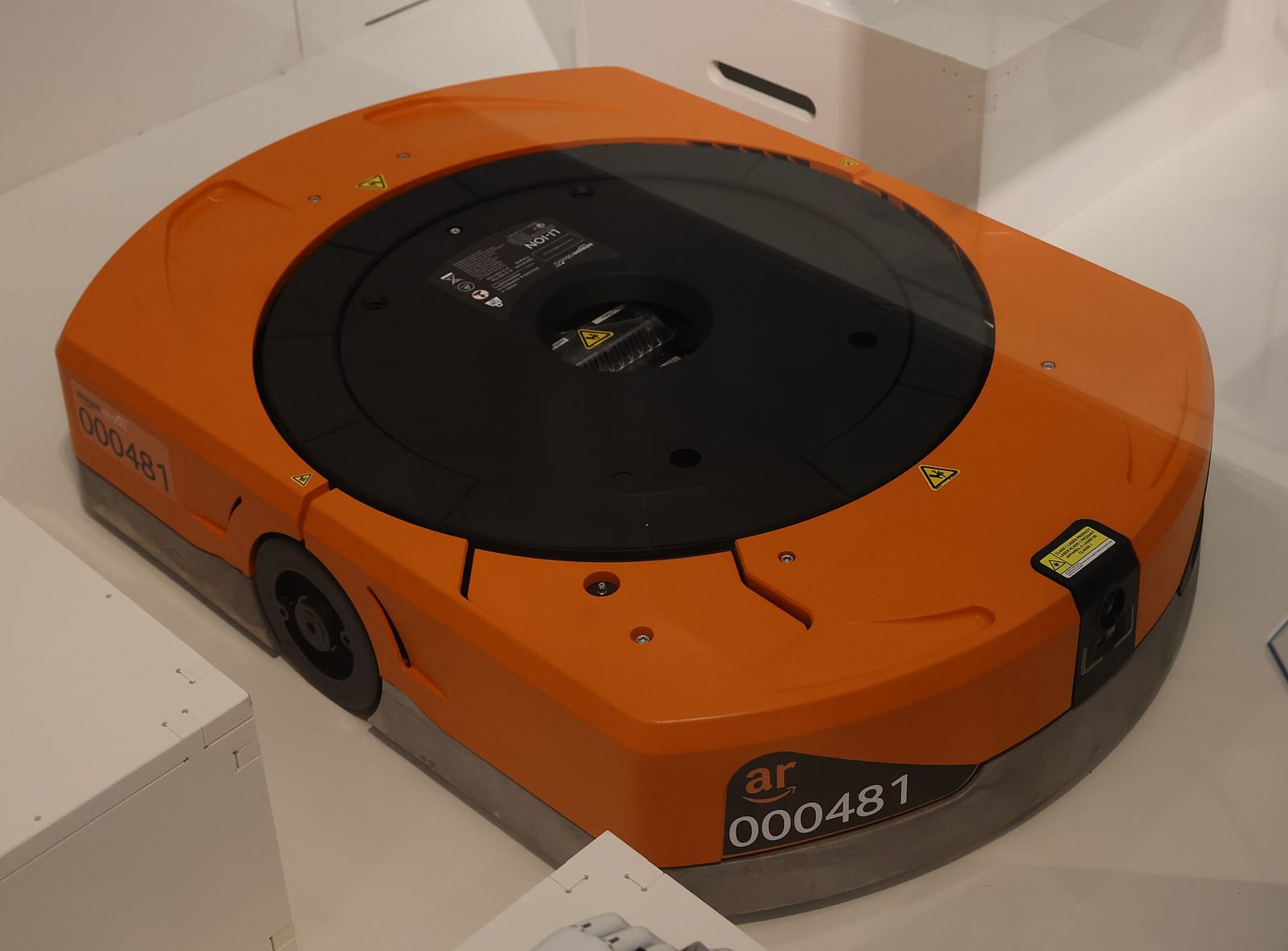
Ars Technica lists Detroit automakers General Motors and Ford, Tesla, and defense and aerospace giants Boeing and Lockheed Martin as companies whose factories depend on imported robots. Large arms for heavy industrial work mostly come from four makers headquartered in Japan, Switzerland and Germany: FANUC, ABB, Yaskawa and KUKA. Ars says no US company currently offers comparable heavy-duty arms. Even Amazon, which has deployed more robots than almost any firm, still uses some foreign-made machines, such as FANUC arms, despite building more of its own. Any tariffs would be paid by the US importers.
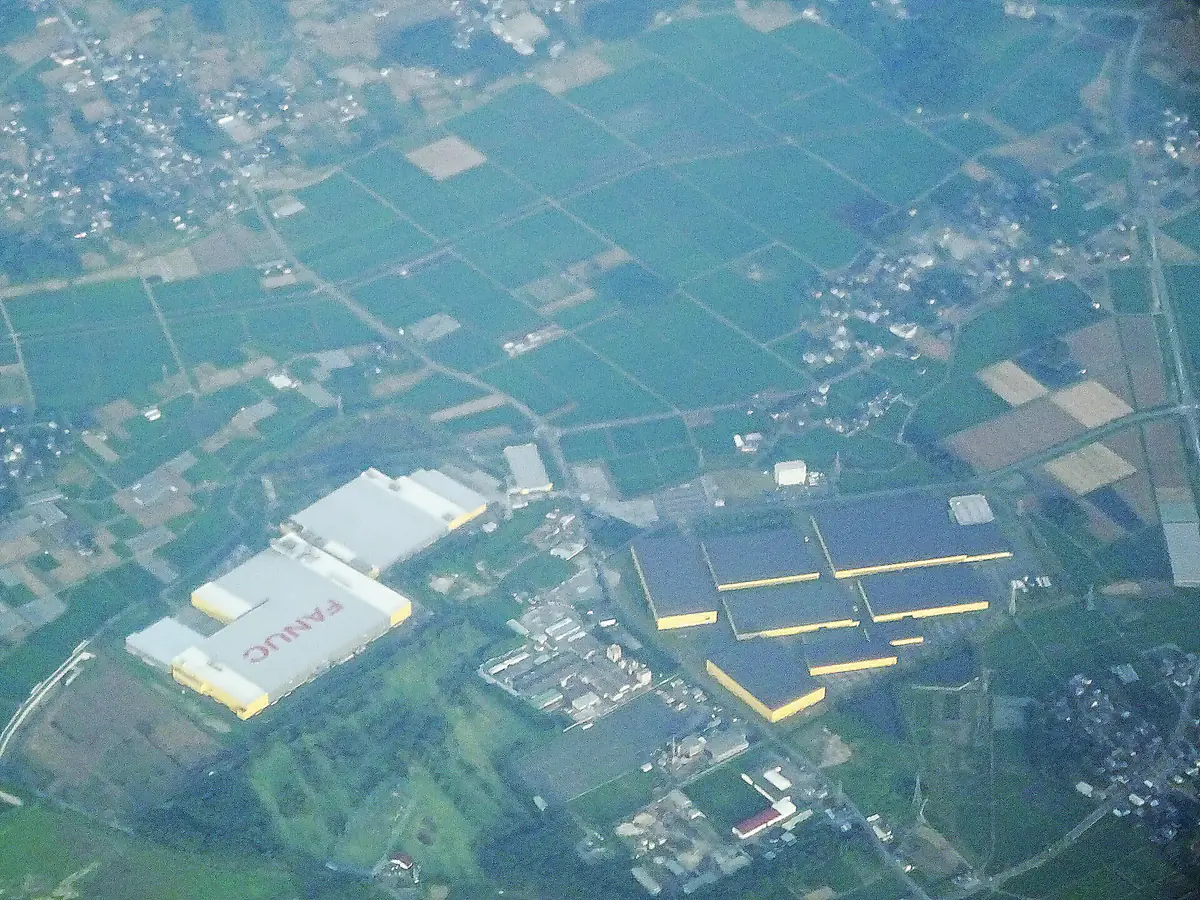
The scale of dependence is large. The International Federation of Robotics counted nearly 38,500 new industrial robot installations in the United States in 2025, making it the second-largest market for them, according to Ars. Meanwhile, A3 reported that North American robot orders rose 24.8% in the third quarter of 2026, per The Robot Report, so demand is climbing as the policy tightens.
How it fits earlier robot rules
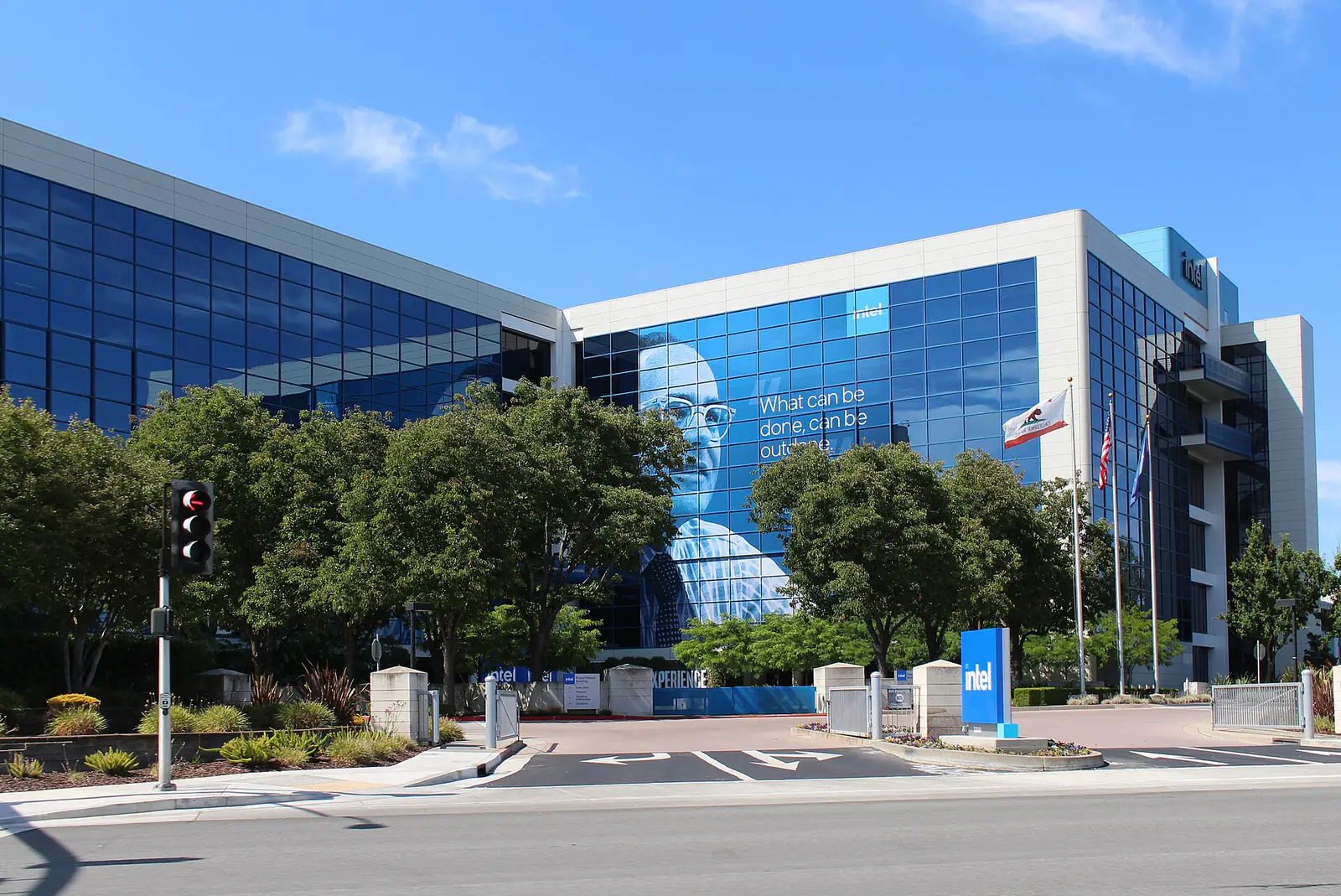
This is the second major federal action on foreign robots this year. In July 2026 the Federal Communications Commission banned new models of foreign-made robots such as robotic vacuums, quadruped robot dogs and humanoid robots, while exempting fixed or stationary industrial arms of the kind used in car plants and warehouses. The new proclamation targets exactly the machinery that FCC action left alone. We covered the practical fallout in our report on Intel’s one-year FCC waiver, where the company asked for relief because it was unsure its factory vehicles fell under the ban. Ars notes that Intel’s case shows major US firms can still obtain waivers even when a nominal ban applies.
Reactions and uncertainty
Analysts quoted by The Robot Report urge caution. Ash Sharma of Interact Analysis says it should not be read as a new robotics tariff today but as “a clear indication of the direction of travel,” and warns that any trade measures could affect components as well as finished robots, pushing up prices and pressuring suppliers to localize production. A robotics executive quoted in the same piece notes that FANUC, Teradyne Robotics and Yaskawa have already announced investments to expand US manufacturing. Whether negotiations produce deals, tariffs or quotas is unknown.
For AI watchers the interest is that humanoid and AI-guided robots are explicitly covered. Our explainer on humanoid robots covers what these machines are and why they are drawing policy attention.
What to watch next
- The start of negotiations led by Commerce and the US Trade Representative, and which countries are targeted first.
- Whether any exclusions or waiver process is announced for companies that cannot source US-made robots.
- Further US investment announcements from FANUC, Yaskawa, ABB and KUKA.
- How humanoid and quadruped makers, many of them overseas, respond to inclusion in the national security finding.
- The 180-day deadline in late April 2027, when additional action becomes possible.
Key takeaways
- A proclamation dated October 28, 2026 finds that robot and industrial machinery imports threaten US national security.
- No tariffs yet: the order starts negotiations and allows tariffs, duties, quotas and fees after 180 days.
- Heavy industrial arms come largely from FANUC, ABB, Yaskawa and KUKA, and no US firm matches them today.
- The order follows July’s FCC ban on new foreign-made consumer and humanoid robot models, which exempted fixed industrial arms.
- Costs would fall on US importers, including automakers and aerospace firms.
Frequently asked questions
What is a Section 232 investigation?
It is a Commerce Department review, authorized by the Trade Expansion Act of 1962, of whether imports threaten national security. If the finding is positive, the president can negotiate or adjust imports, including with tariffs.
Are there tariffs on imported robots now?
No. The October 28 proclamation orders negotiations first and says tariffs, duties, quotas and fees may follow if no agreements are reached within 180 days.
Which robots does the order cover?
It covers robotics, industrial machinery and their components, and it names advanced robots such as autonomous robots, humanoid and quadruped robots and autonomous ground vehicles.